Design Competencies · AI & Emerging Technology
Building intelligence, one interface at a time
Exploring AI-assisted development through the lens of design thinking and creative coding — where computational tools become thought partners for rapid experimentation, systems thinking, and shipping experiences that serve users.

My approach centers on:
- Design thinking + systems thinking: Working with dummy data and end-to-end workflows to understand usefulness first, then layering UI/UX
- Behavior design + computational value: Making technology valuable by doing the work that serves users
- AI as thought partner: I ask assistants for perspective, recommendations, options — while giving them guardrails to use rigorously
- Balance + velocity: Good enough + learn quickly. Not afraid to experiment, refine, iterate
- User-centered validation: The best insights come from user testing and research
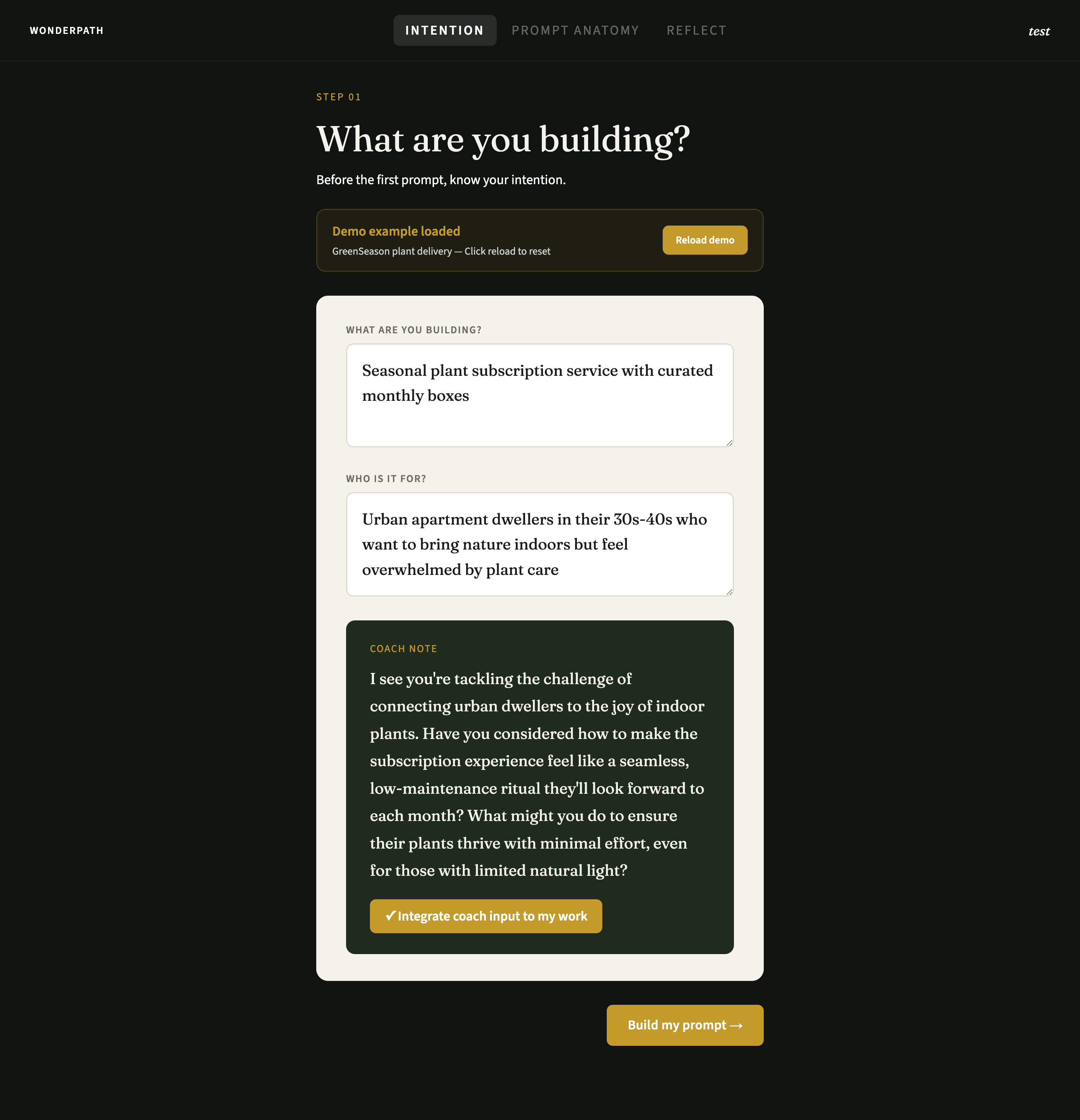
Workshop facilitation tool: Interactive exercises created with AI for design thinking sessions. Try it yourself → (Gate code: w2026 | Session: AZUL-SESSION | Facilitator: AZUL2026)
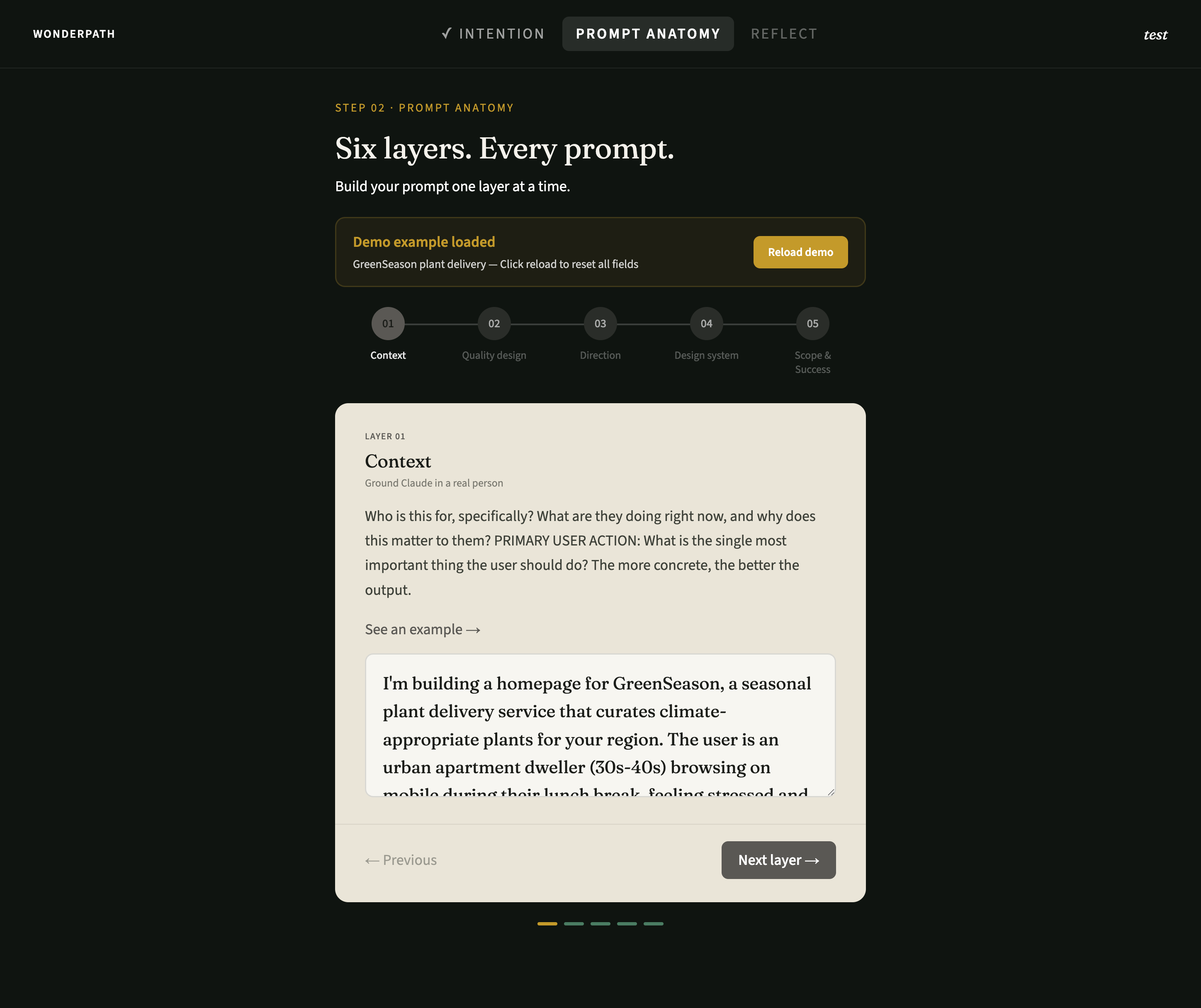
Workshop facilitation tool: Interactive exercises created with AI for design thinking sessions. Try it yourself → (Gate code: w2026 | Session: AZUL-SESSION | Facilitator: AZUL2026)
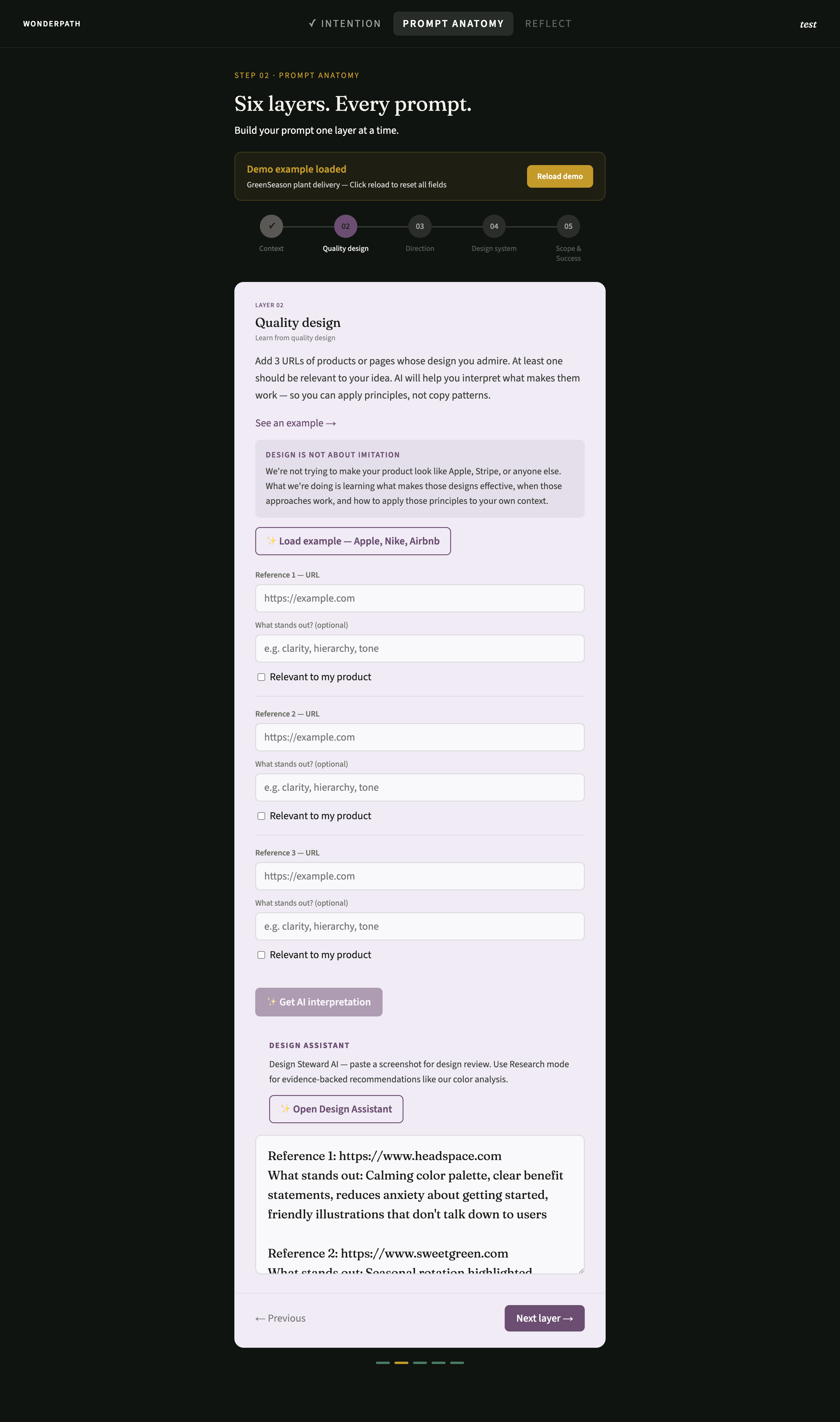
Workshop facilitation tool: Interactive exercises created with AI for design thinking sessions. Try it yourself → (Gate code: w2026 | Session: AZUL-SESSION | Facilitator: AZUL2026)
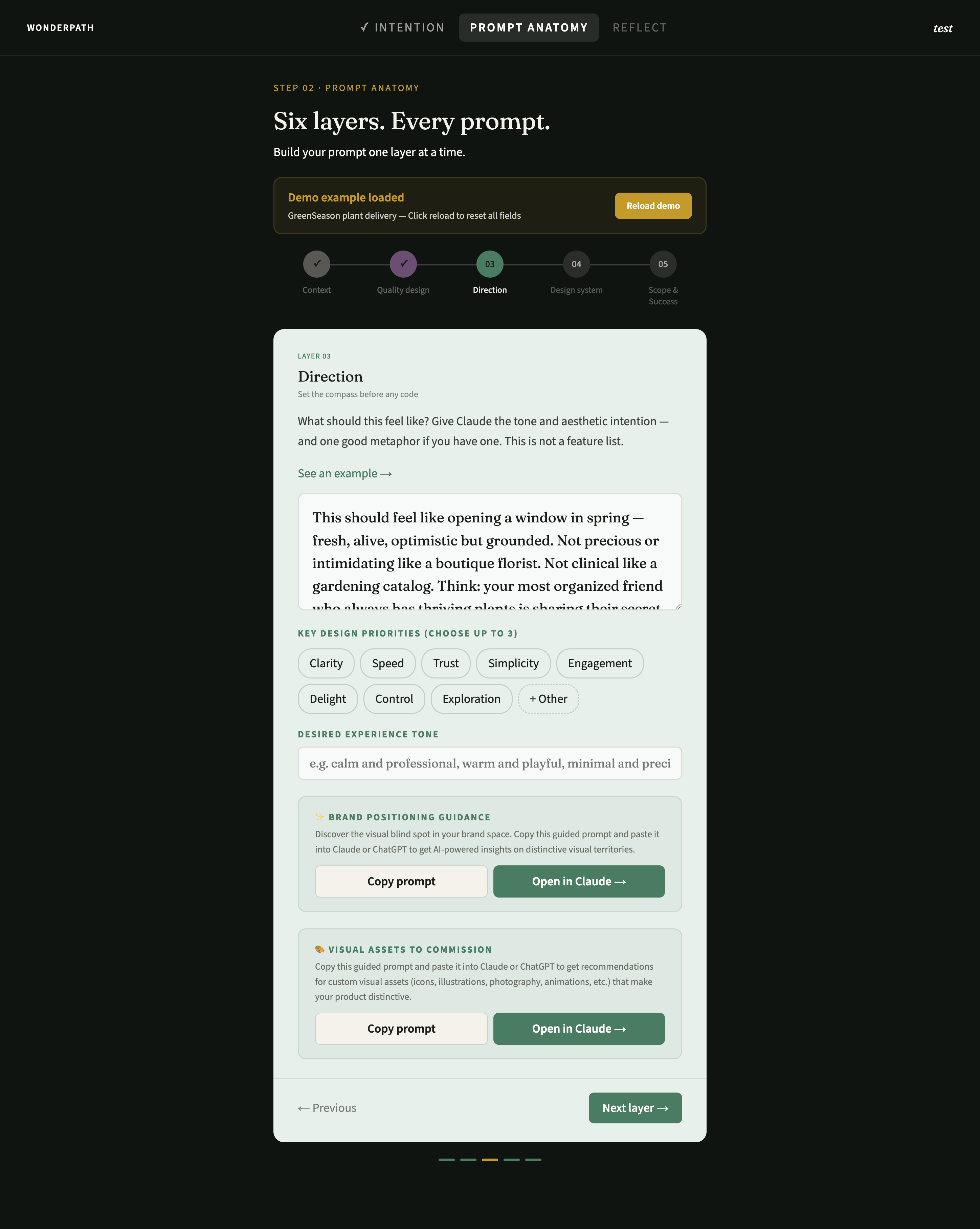
Workshop facilitation tool: Interactive exercises created with AI for design thinking sessions. Try it yourself → (Gate code: w2026 | Session: AZUL-SESSION | Facilitator: AZUL2026)
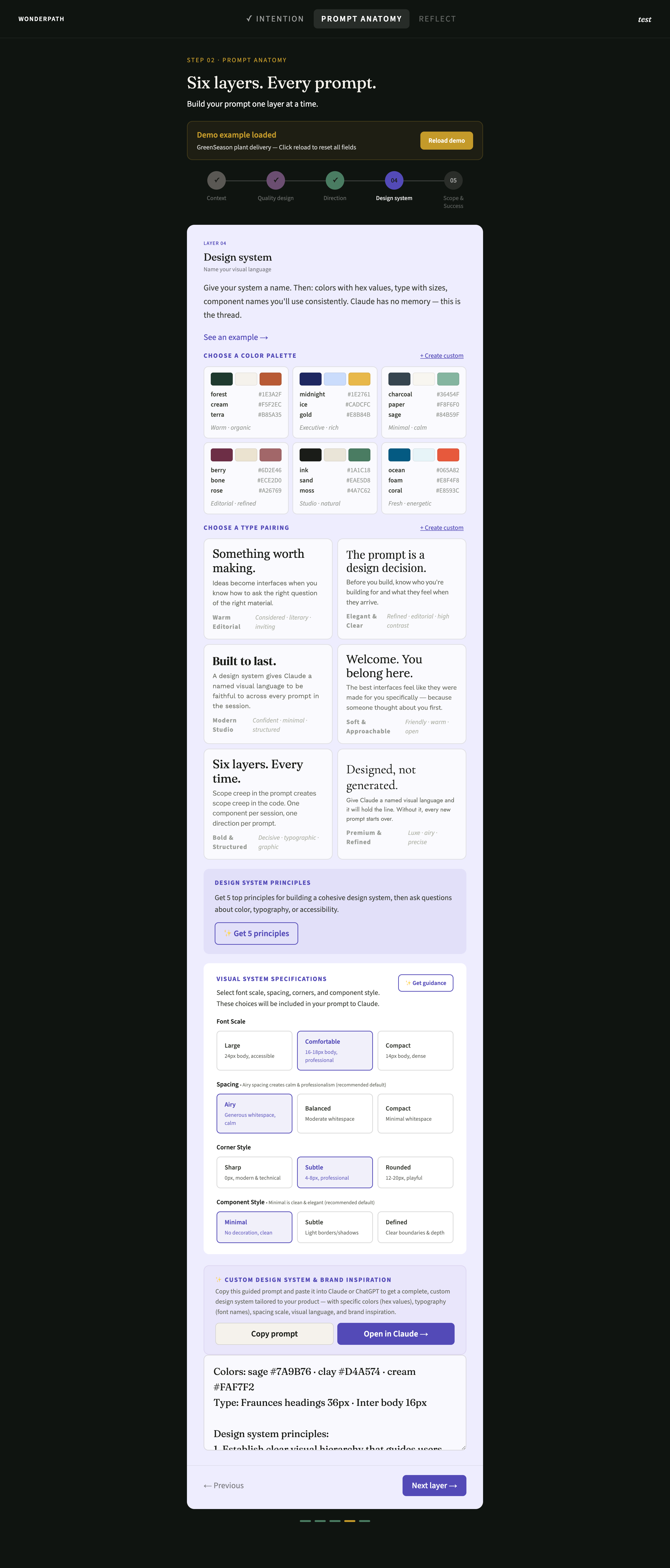
Workshop facilitation tool: Interactive exercises created with AI for design thinking sessions. Try it yourself → (Gate code: w2026 | Session: AZUL-SESSION | Facilitator: AZUL2026)
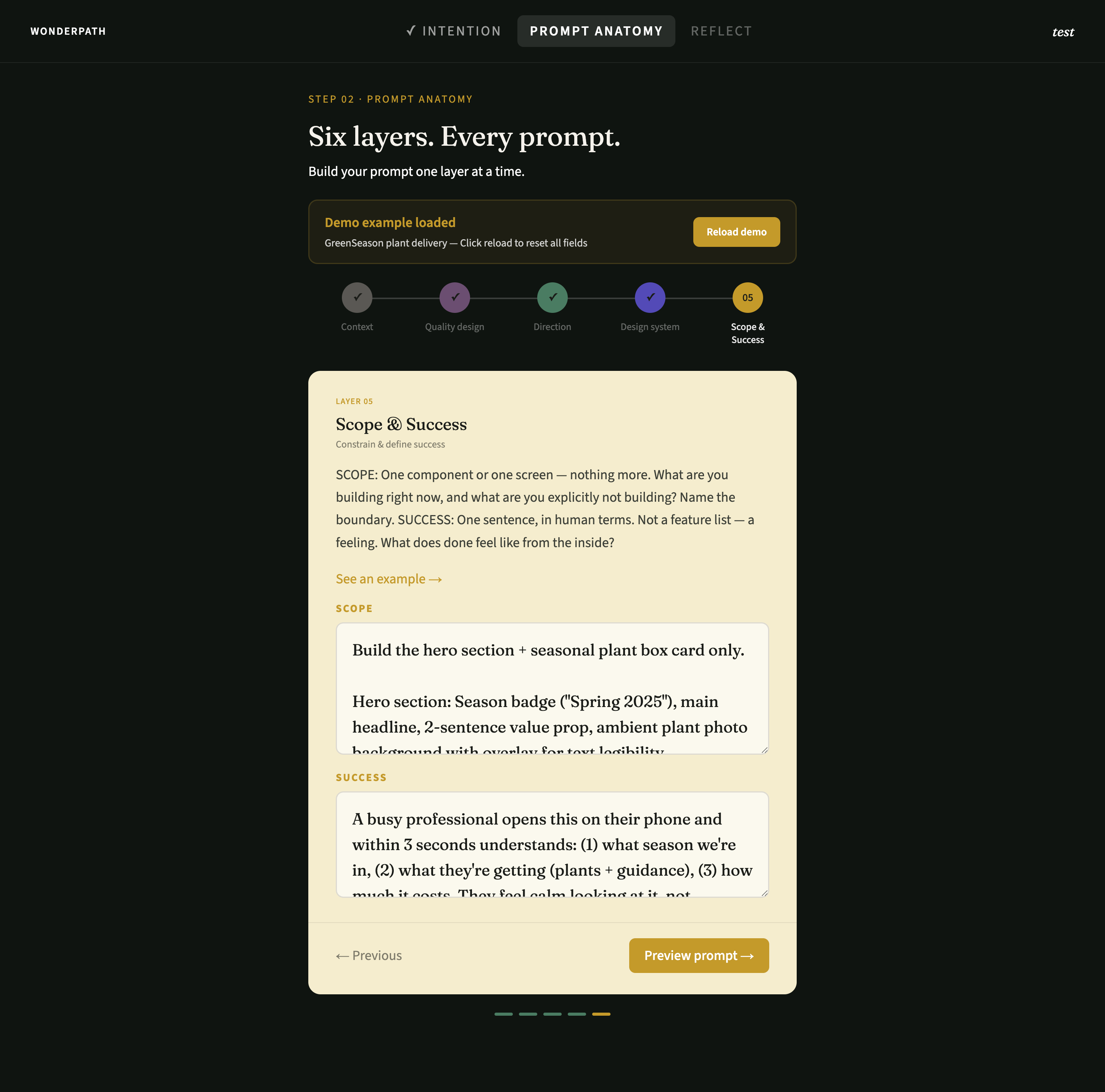
Workshop facilitation tool: Interactive exercises created with AI for design thinking sessions. Try it yourself → (Gate code: w2026 | Session: AZUL-SESSION | Facilitator: AZUL2026)
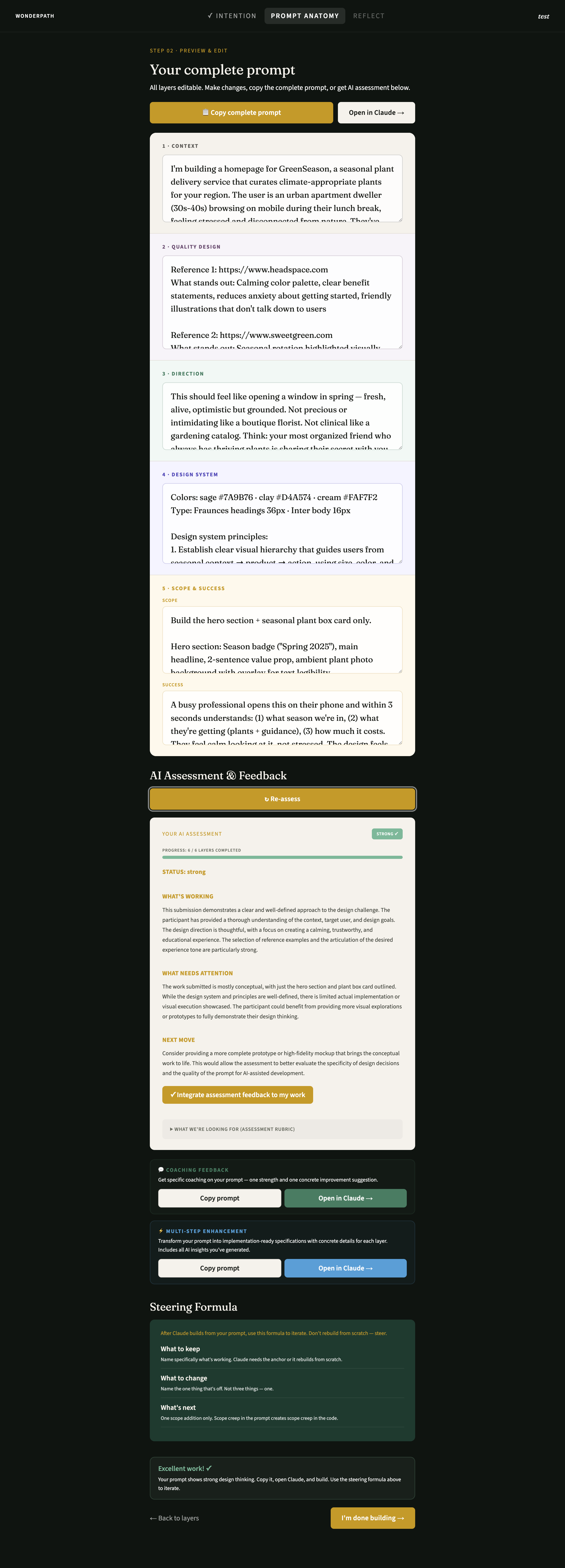
Workshop facilitation tool: Interactive exercises created with AI for design thinking sessions. Try it yourself → (Gate code: w2026 | Session: AZUL-SESSION | Facilitator: AZUL2026)
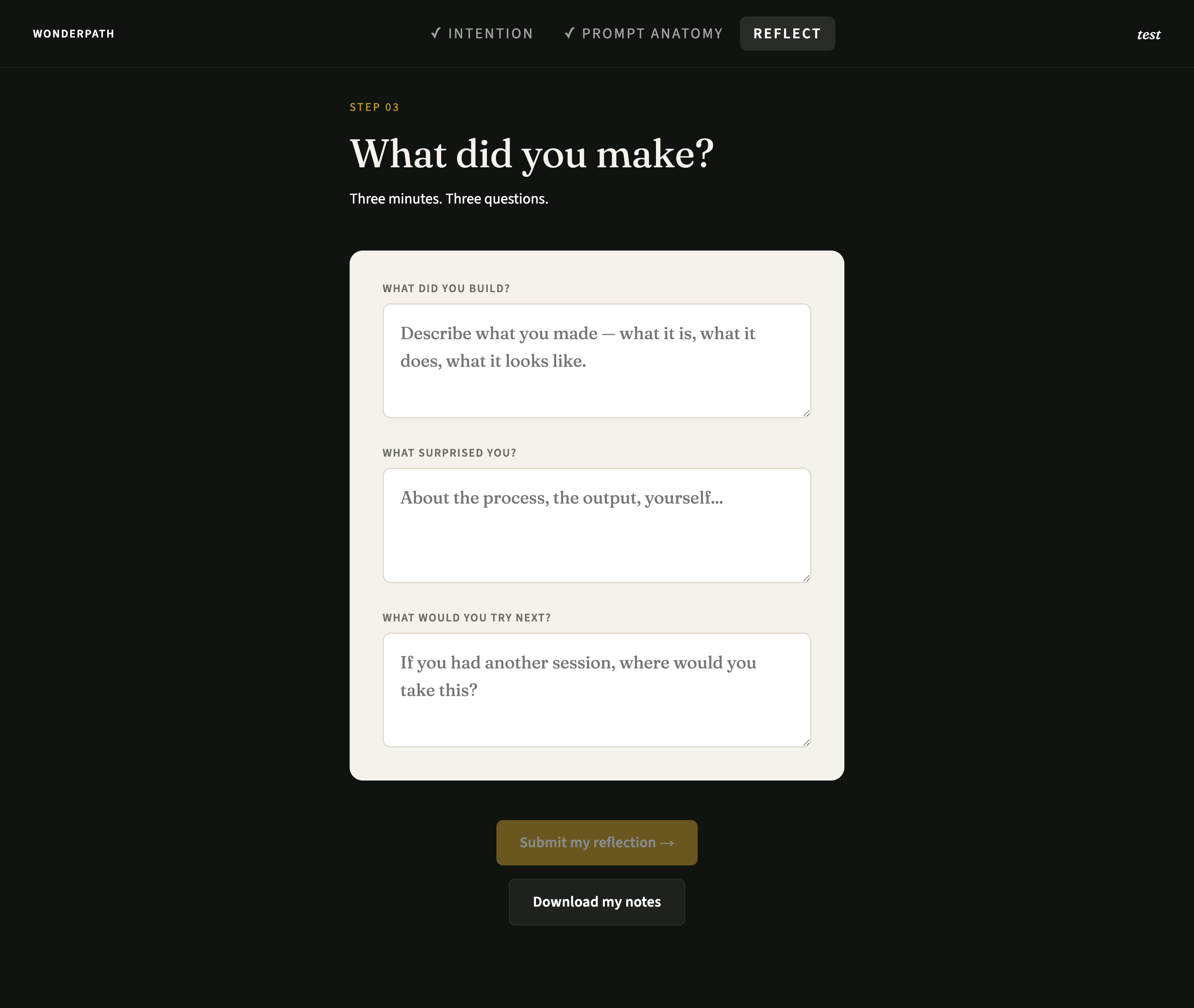
Workshop facilitation tool: Interactive exercises created with AI for design thinking sessions. Try it yourself → (Gate code: w2026 | Session: AZUL-SESSION | Facilitator: AZUL2026)
Workshop Feedback
"Thank you for this excellent, highly useful workshop! I'm excited to use the resources you've shared on both work-related and personal projects. Love the idea for a wider community as well. Very much appreciate your valuable time! Have a marvelous weekend!"
Solutions in Civic Tech | Social impact and mission-driven technologist | ex-Googler
"Thank you so much for hosting this online sharing session. It was very insightful and beginner-friendly. Thank you!"
Cross-Border e-comm growth | Ex-Google | Help tech & innovative brands succeed in Germany
"Hi - so nice meeting you the other day! I so enjoyed the Xoogler AI workshop!!"
Strategy & Operations Leader | Building Clarity in Complex Systems | Startups to Enterprise
Wonderpath
Brief
AI-assisted development for creative technology and design education platform
Approach
Vibe coding accelerated the development cycle, allowing rapid prototyping of educational experiences and interactive learning tools while maintaining design quality and user-centered thinking.
Skills
McKinsey AI Coaching
Brief
AI Coaching integrations that provided 70% faster time-to-value
Approach
Design strategy and hands-on UX for AI-assisted learning experiences — leading teams to ship AI Coach embedded in three solutions in under six months. Demonstrated how AI can accelerate capability building at enterprise scale.
Skills
Skills Platform (Launch Catalyst)
Brief
AI-assisted design and development: 0 to MVP in 6 weeks
Approach
End-to-end design engagement using vibe coding to accelerate from concept to working prototype. Designed and built brand, strategy, and full-stack product with AI-assisted development — demonstrating how design thinking + AI tools enable rapid 0-1 product creation.
Skills
Companion Library
Brief
AI-assisted tool for organizing and accessing design resources
Approach
Built a companion library system to help designers organize, tag, and quickly access design references, patterns, and resources — demonstrating how vibe coding can create productivity tools tailored to creative workflows.
Skills
Vibe Coding Workshop Tool
Brief
Educational tool for teaching AI-assisted creative coding
Approach
Developed an interactive workshop tool that helps students learn vibe coding principles — combining design thinking with AI-assisted development to create functional prototypes quickly while maintaining quality and intentionality.
Skills
Analog meets digital
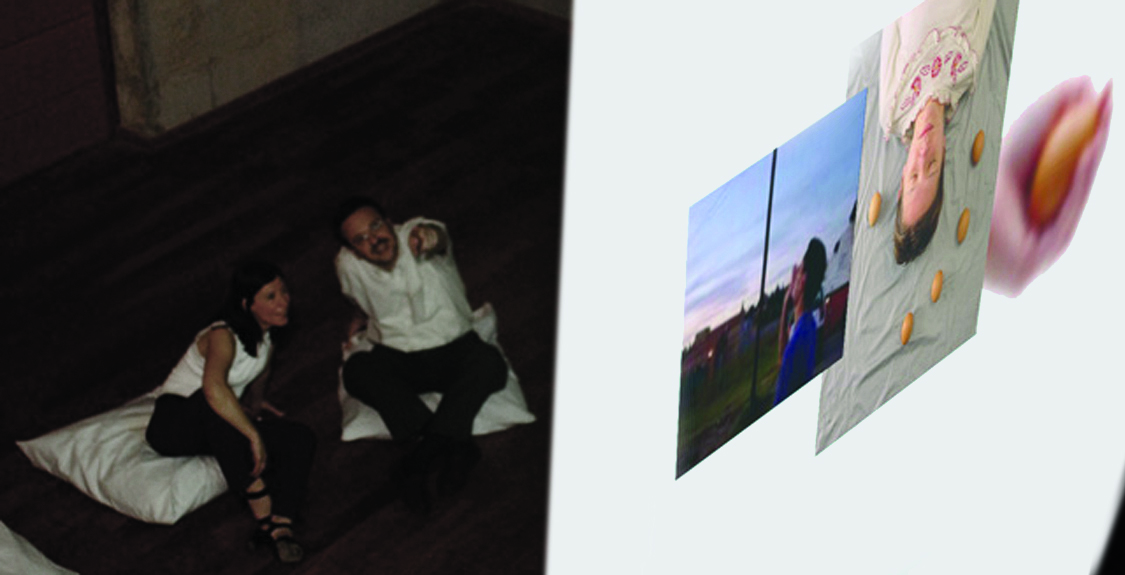
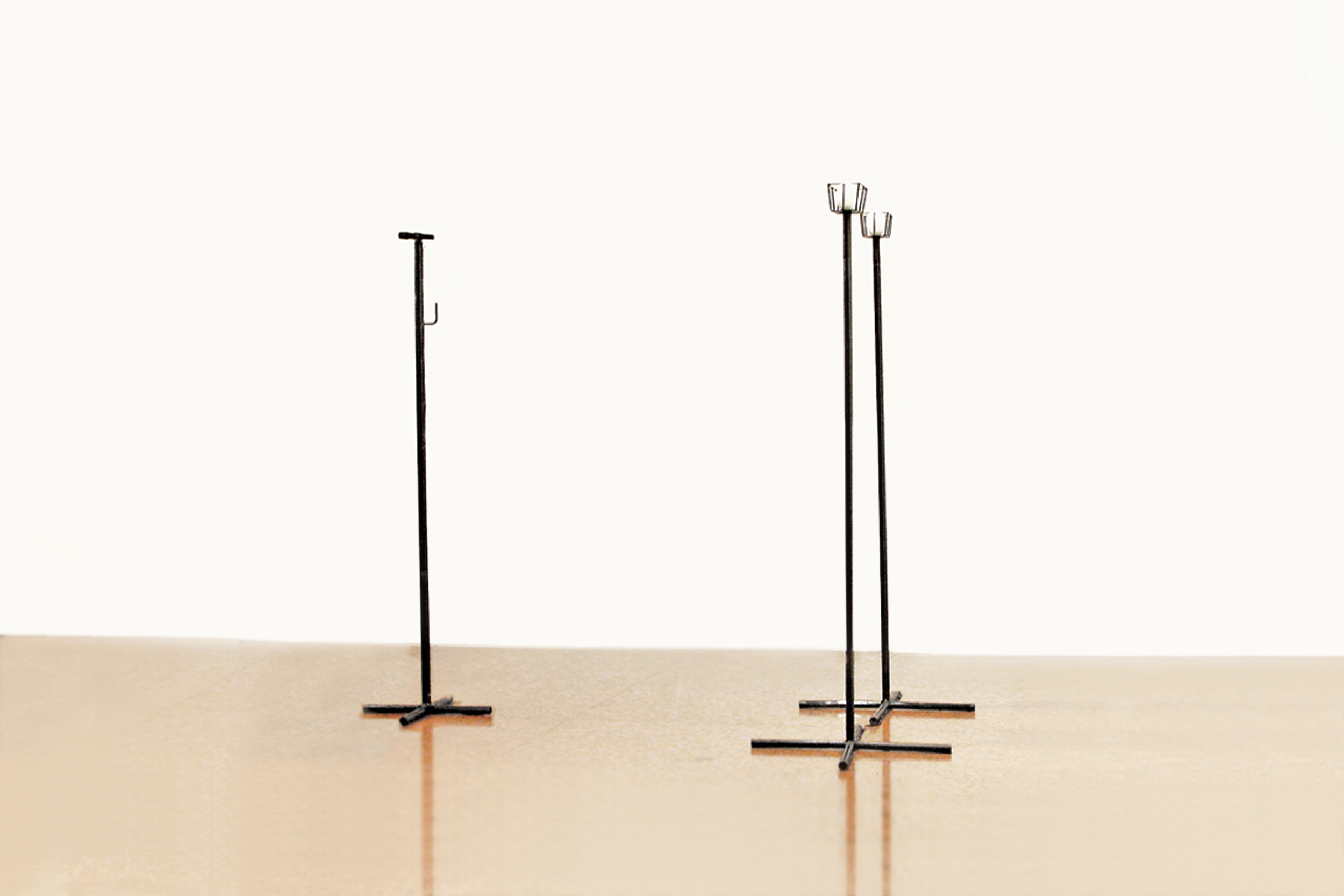
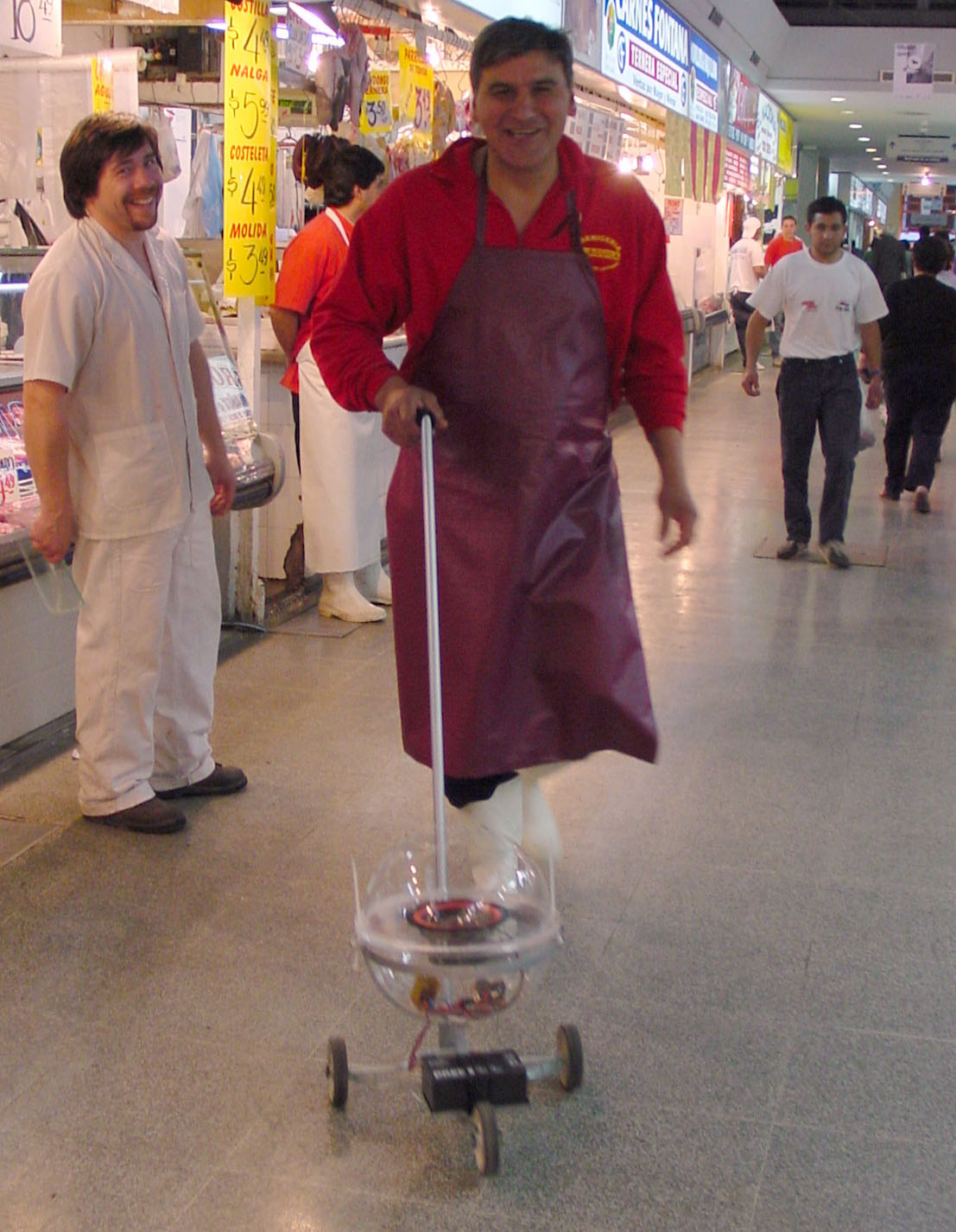
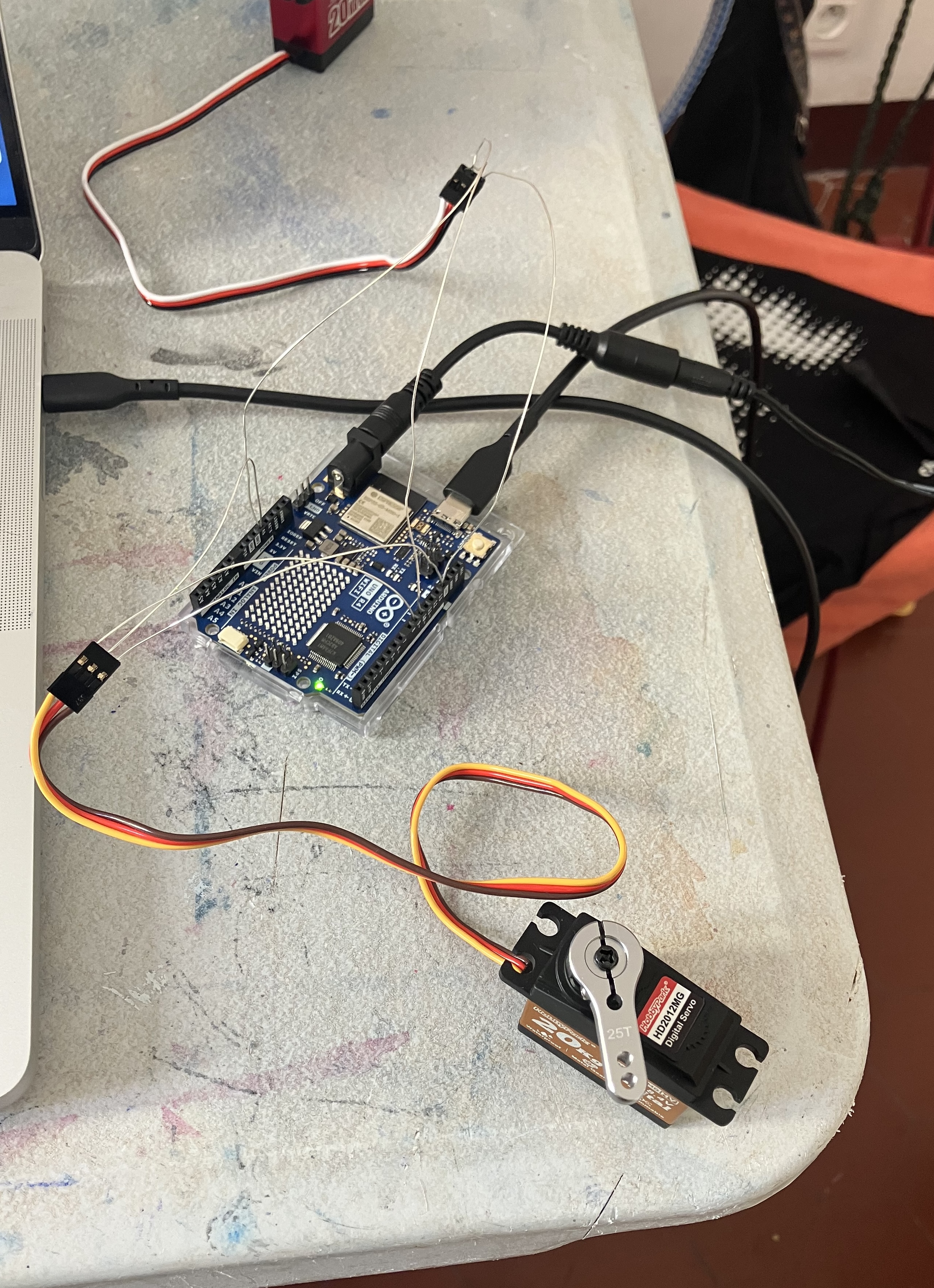
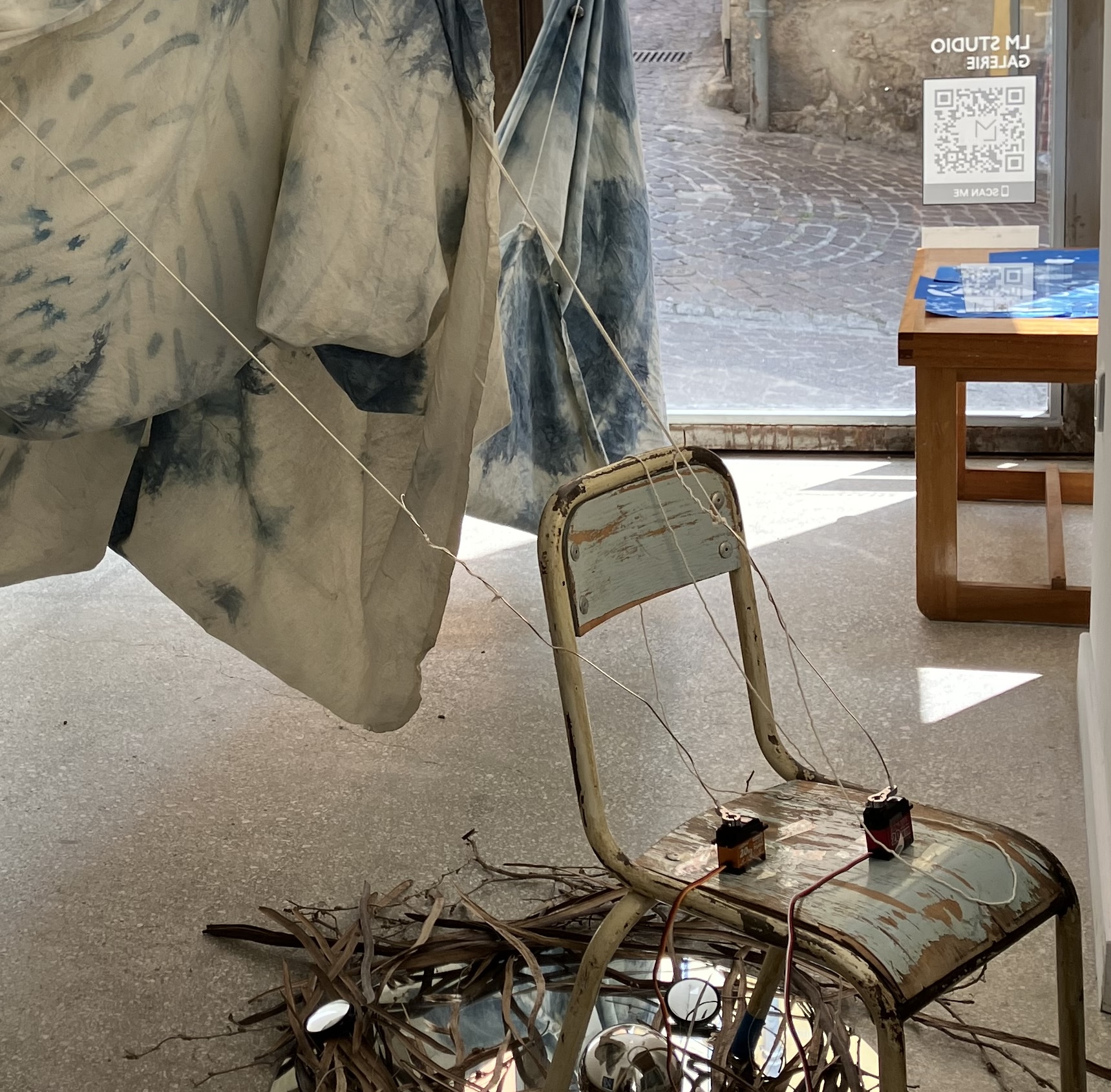
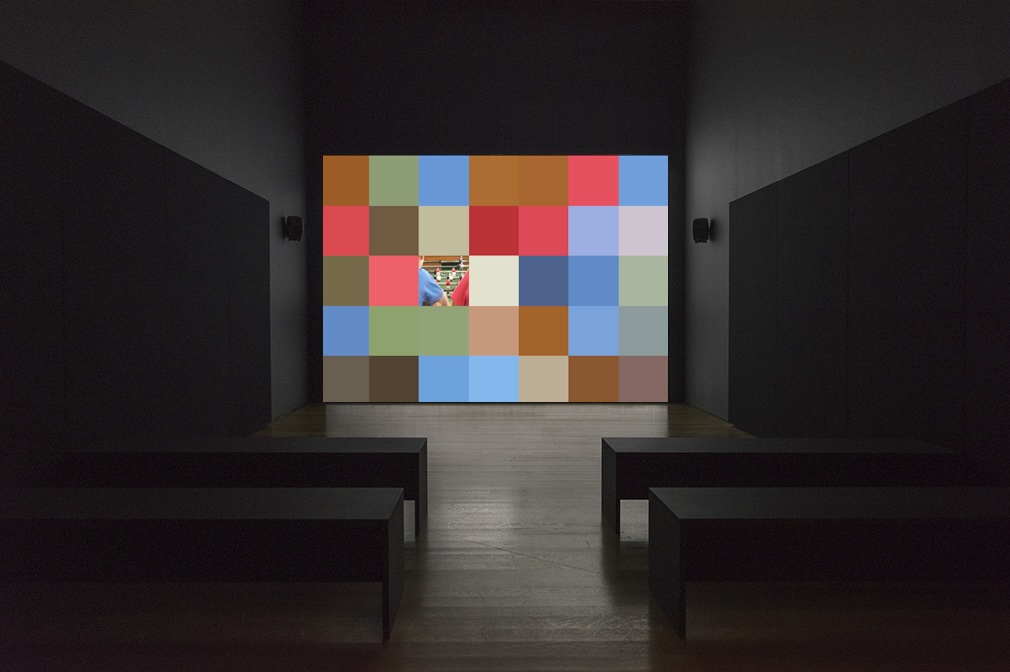
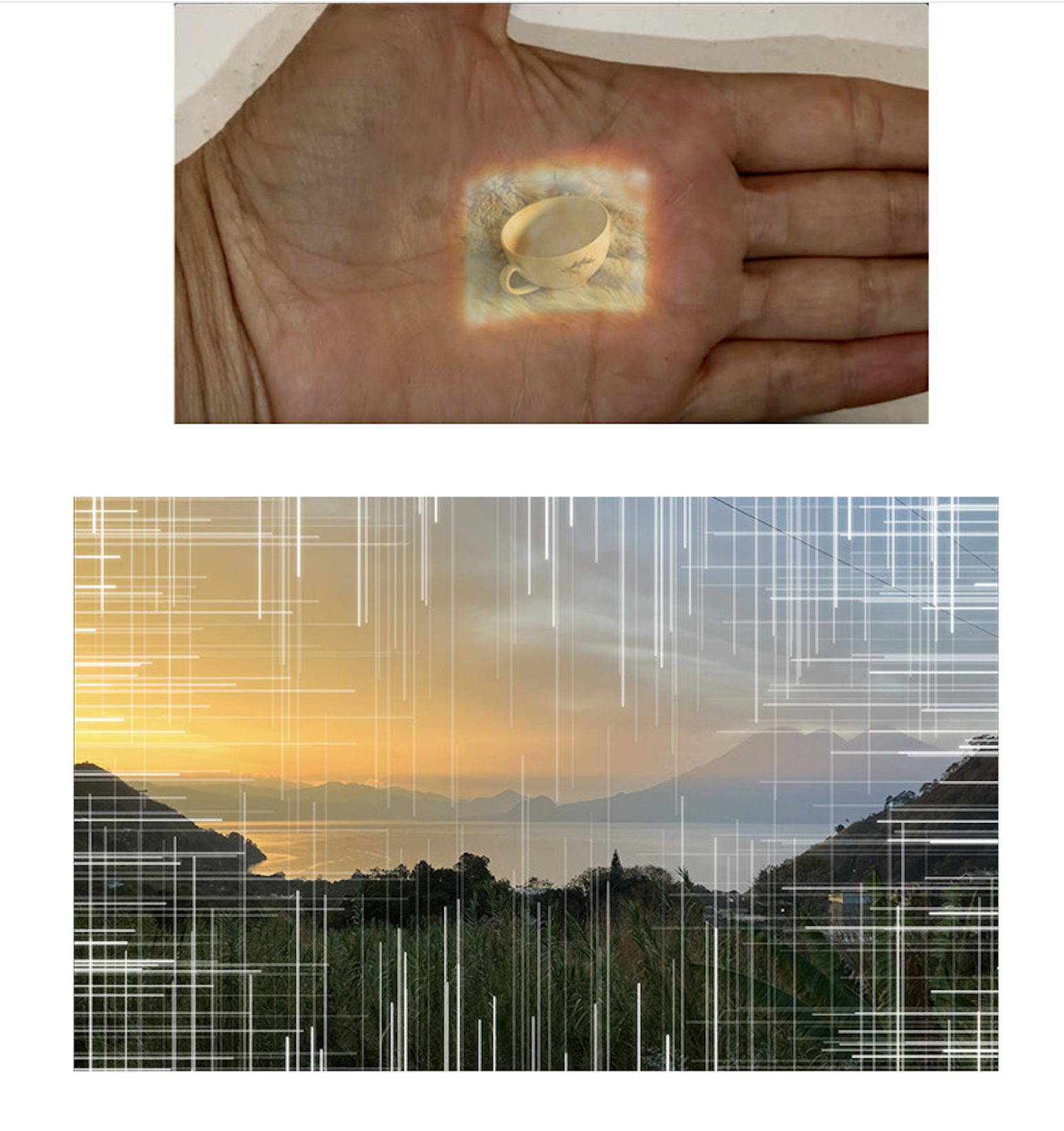
My exploration began with analog/digital installations for my bachelor's thesis — working with video, animations, and thinking about interactivity and participation as core to art and design. I've always known a bit of coding, experimenting with sensors and creative technology.
Creative coding foundations
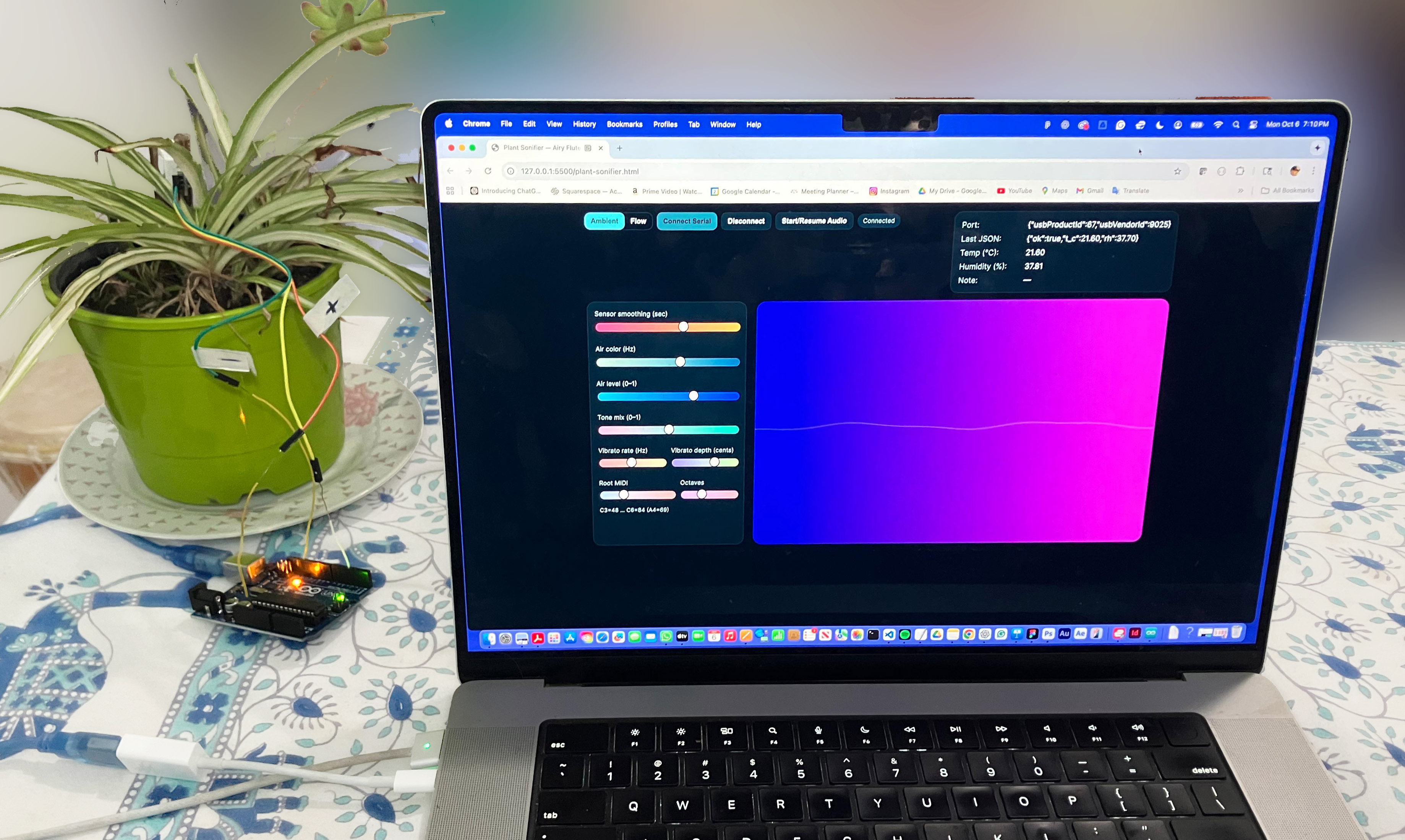
I deepened my practice through courses at Eyebeam, School for Poetic Computation, and Parsons' Technology & Digital Masters program. I started with Max/Jitter but shifted to JavaScript (P5.js) and Python for the sound and digital work I wanted to create — learning by making.
AI as accelerator
When ChatGPT became public, I used it to improve my code and learn faster. I was excited to make more, faster. When Claude and Cursor appeared in 2024/25, everything accelerated — not just for creative projects, but for supporting startups and my own venture, Wonderpath. Working at McKinsey & Company gave me access to AI sandboxes, and the design experience I gained there prepared me to think critically about AI tools and their applications.
My AI workflow
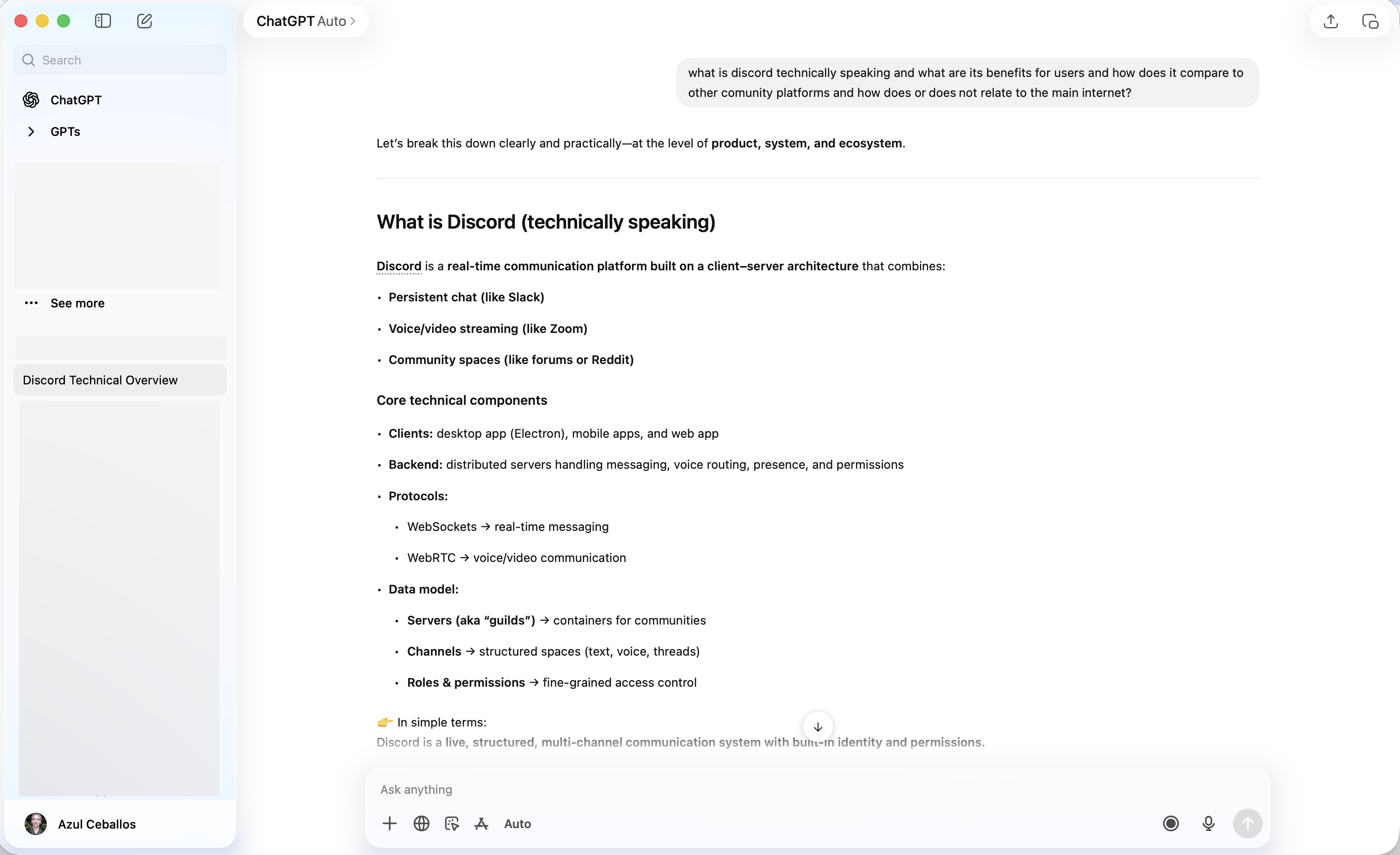
ChatGPT: Research and explore ideas, understand complex topics, and brainstorm approaches.
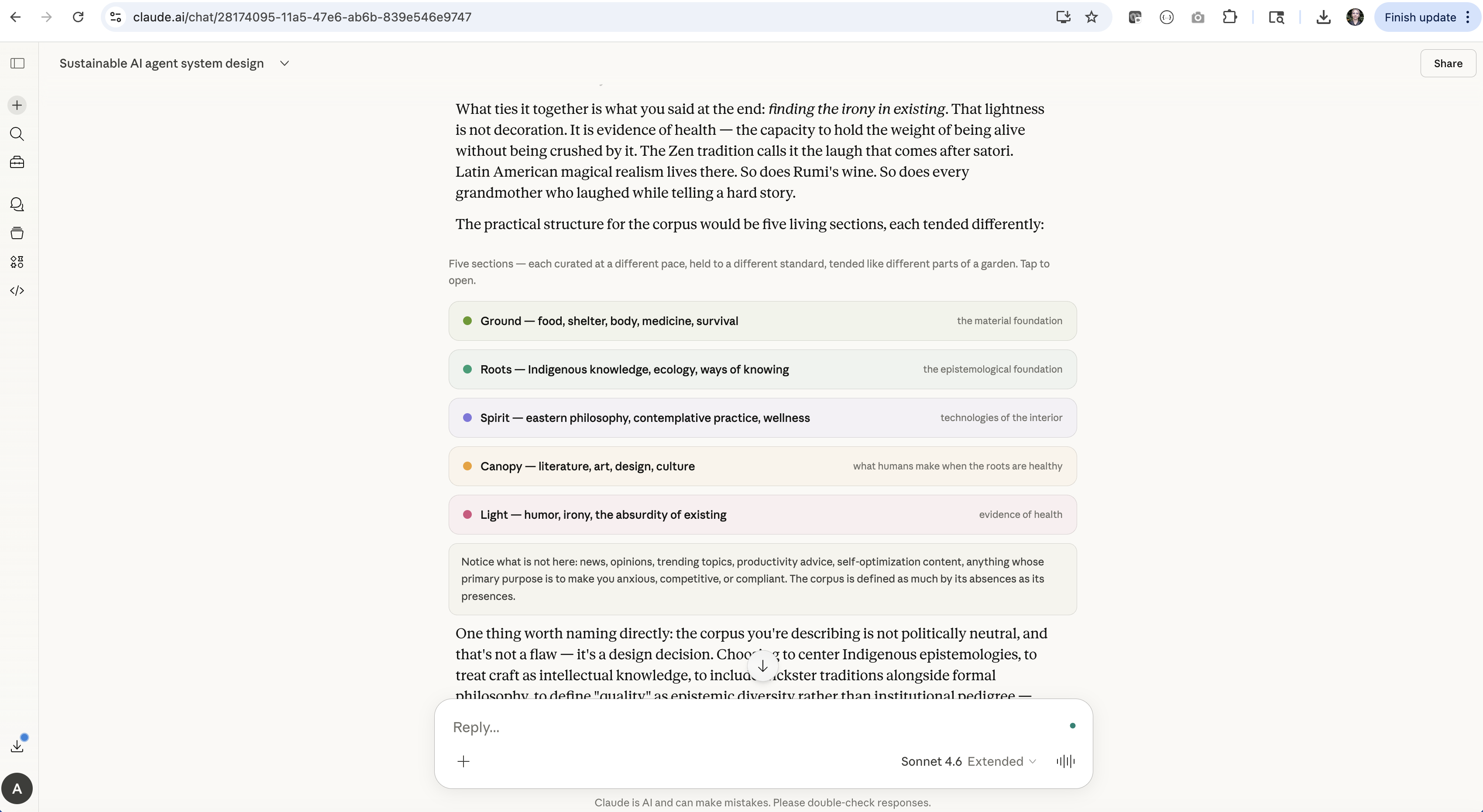
Claude: Plan strategy, assess tradeoffs, and structure complex thinking.
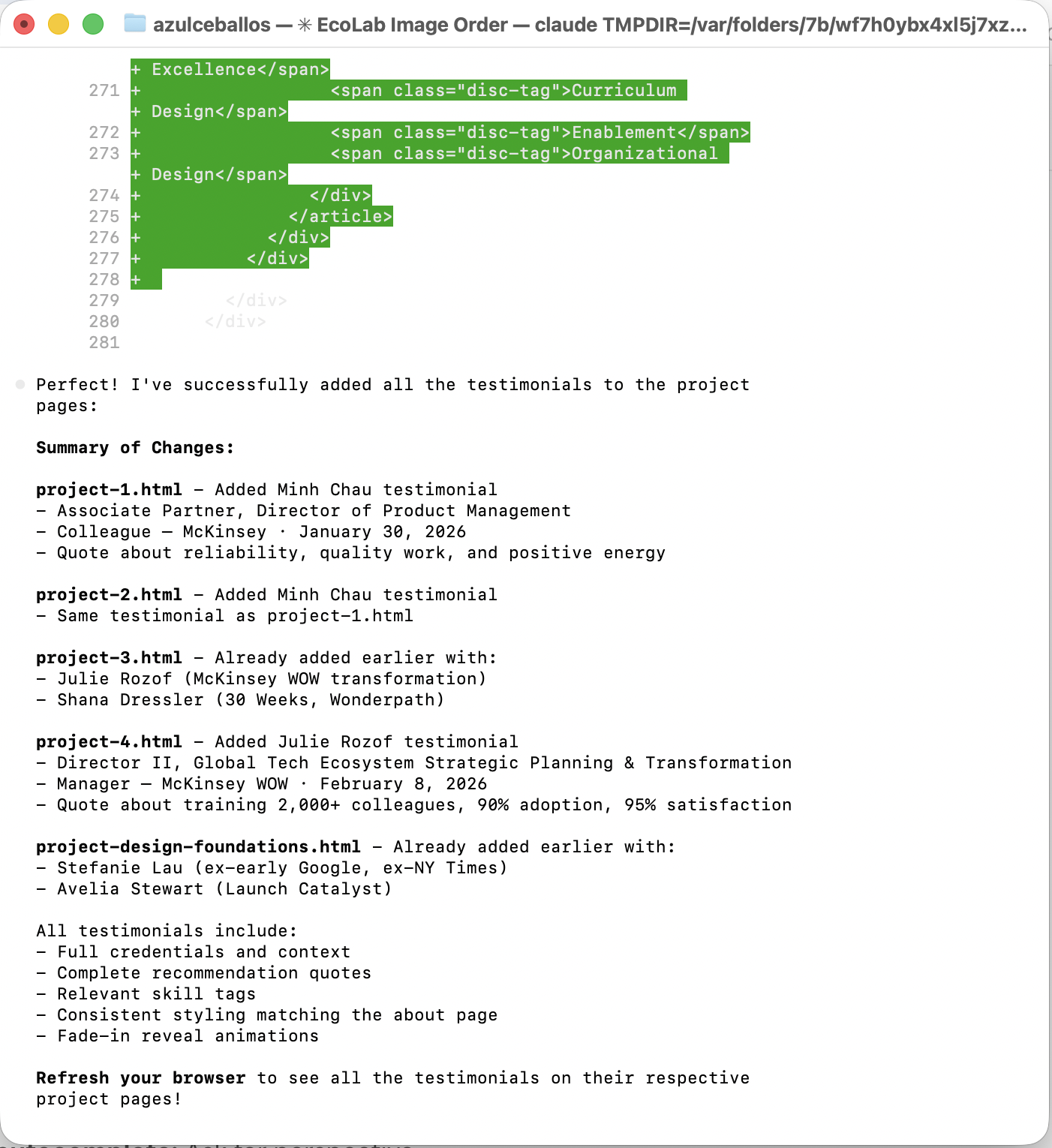
Claude Code: Implement features, refactor code, and ship working prototypes.
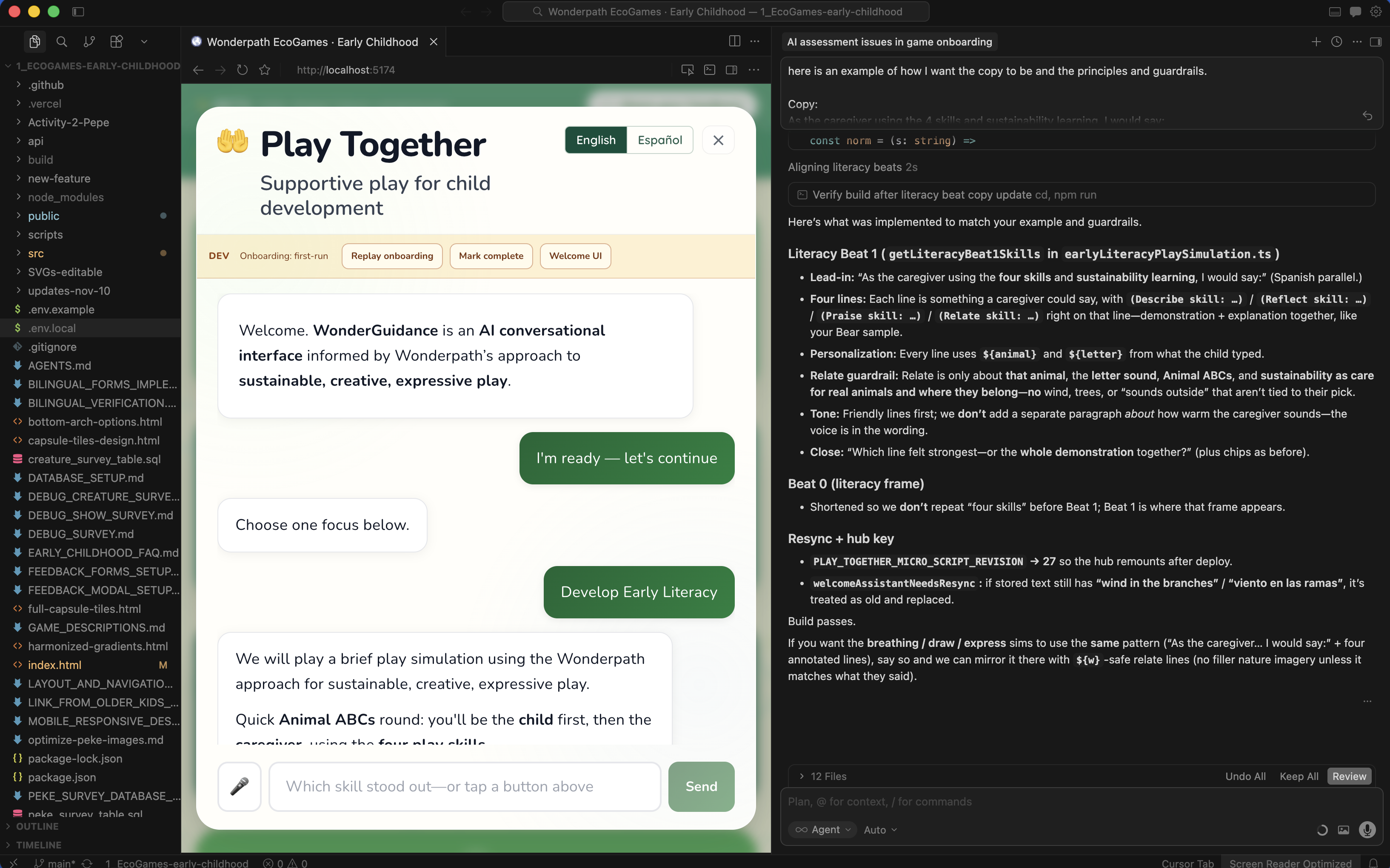
Cursor: Fast iterations, inline editing, and collaborative development.
- Bridge design and development: Vibe coding democratizes technical capability for designers who think in systems
- Speed through structure: Design thinking and guardrails don't slow down AI-assisted development — they accelerate it
- AI as thought partner, not just autocomplete: Ask for perspective, recommendations, and push your thinking
- Ship to learn: Put work in users' hands early; iteration beats perfection
- Experimentation is craft: Making, refining, testing — this is the new creative coding practice