Research & Design Strategy
Research as the compass, design as the map
Understanding people in context to shape product direction and meaningful experiences.
The most valuable design work starts with people in context — motivations, constraints, and friction that product metrics alone rarely surface. Without that shared view, teams optimize what’s easy to measure and miss what matters.
Research and design strategy across organizations since 2012: qualitative and quantitative inquiry, participatory sessions, and collaborative workshops — synthesized into artifacts teams can use (journey maps, JTBD, insights, early prototypes).
Shared understanding of the problem space, clearer priorities, and faster learning cycles — from insight to lightweight experiments and measurable signals — with research treated as an ongoing dialogue, not a one-off phase.
Domains & sectors
Research & design craft
Strategy, transformation & customer impact
Systems, data & technical fluency
Soft skills Partnership, facilitation, and leadership habits — expand for the full list.
The most valuable design work begins with understanding people in context—their motivations, needs, constraints, and the friction they encounter. I use qualitative research, quantitative analysis, participatory design sessions, and collaborative workshops to learn directly from users and uncover patterns that product metrics alone miss.
Research does more than validate ideas—it helps me understand the problem space. Through interviews, observation, and collaborative sessions, I learn how users experience a system where their needs are unmet, and where I can improve their workflows.
"Listening to users is the most reliable way to create meaningful solutions. Research transforms individual observations into shared insights that influence product features, services, organizational workflows, and platform direction and drive the business forward."
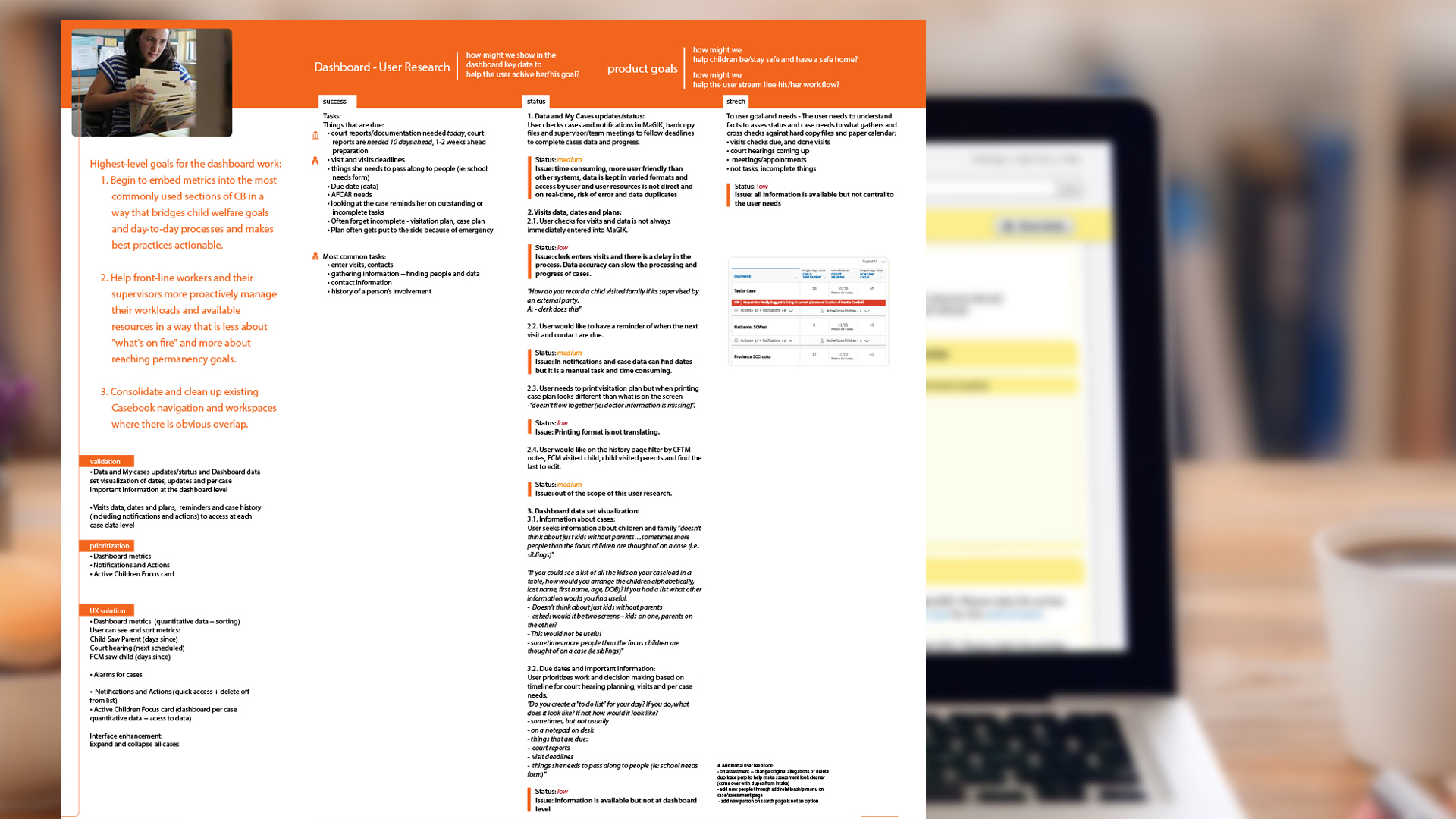
User research for CaseBook, to understand user needs and improve (add/simplify/replace) features and overall user flows.
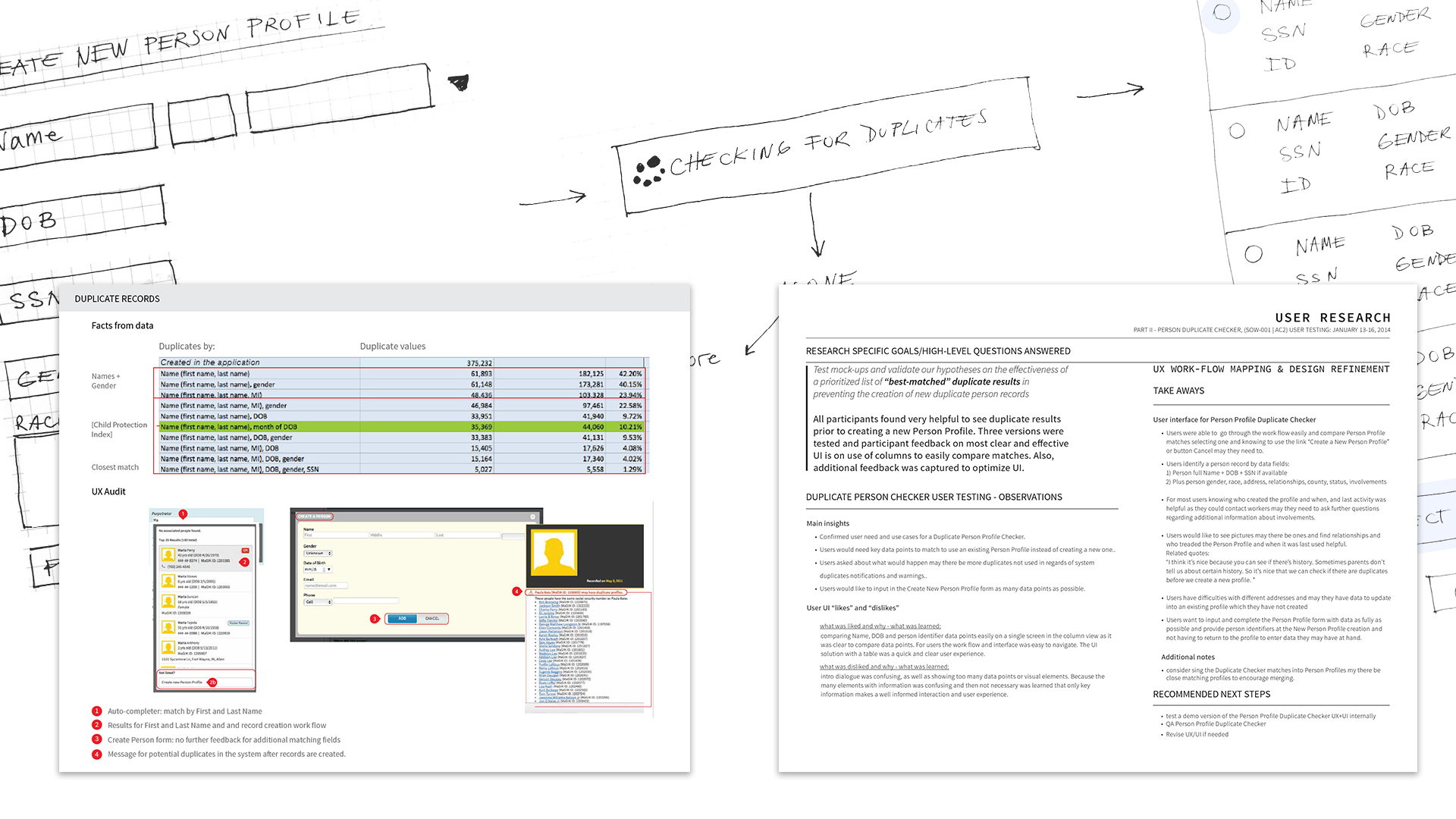
User research for CaseBook, to understand user needs and improve (add/simplify/replace) features and overall user flows.
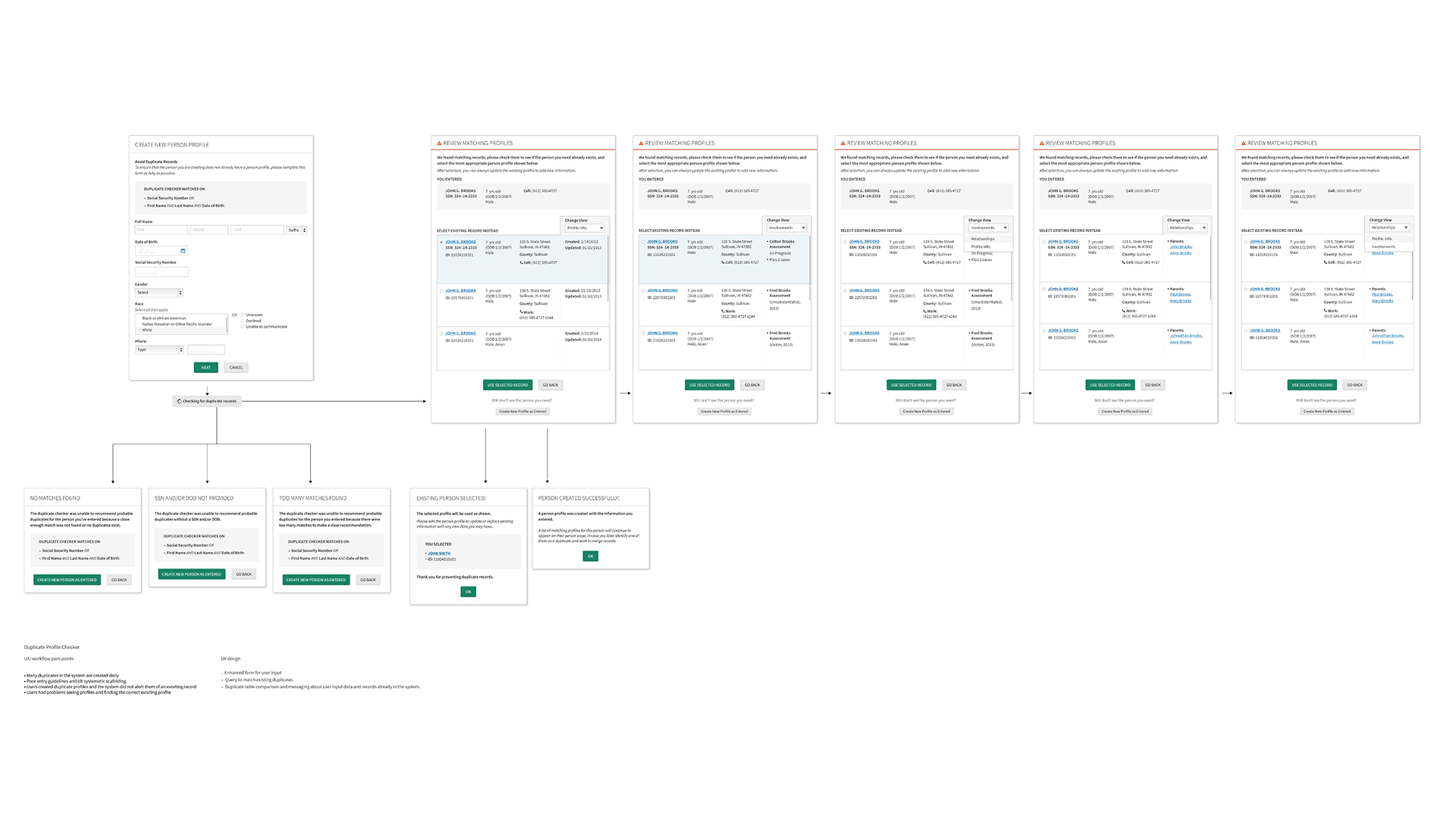
User research for CaseBook, to understand user needs and improve (add/simplify/replace) features and overall user flows.
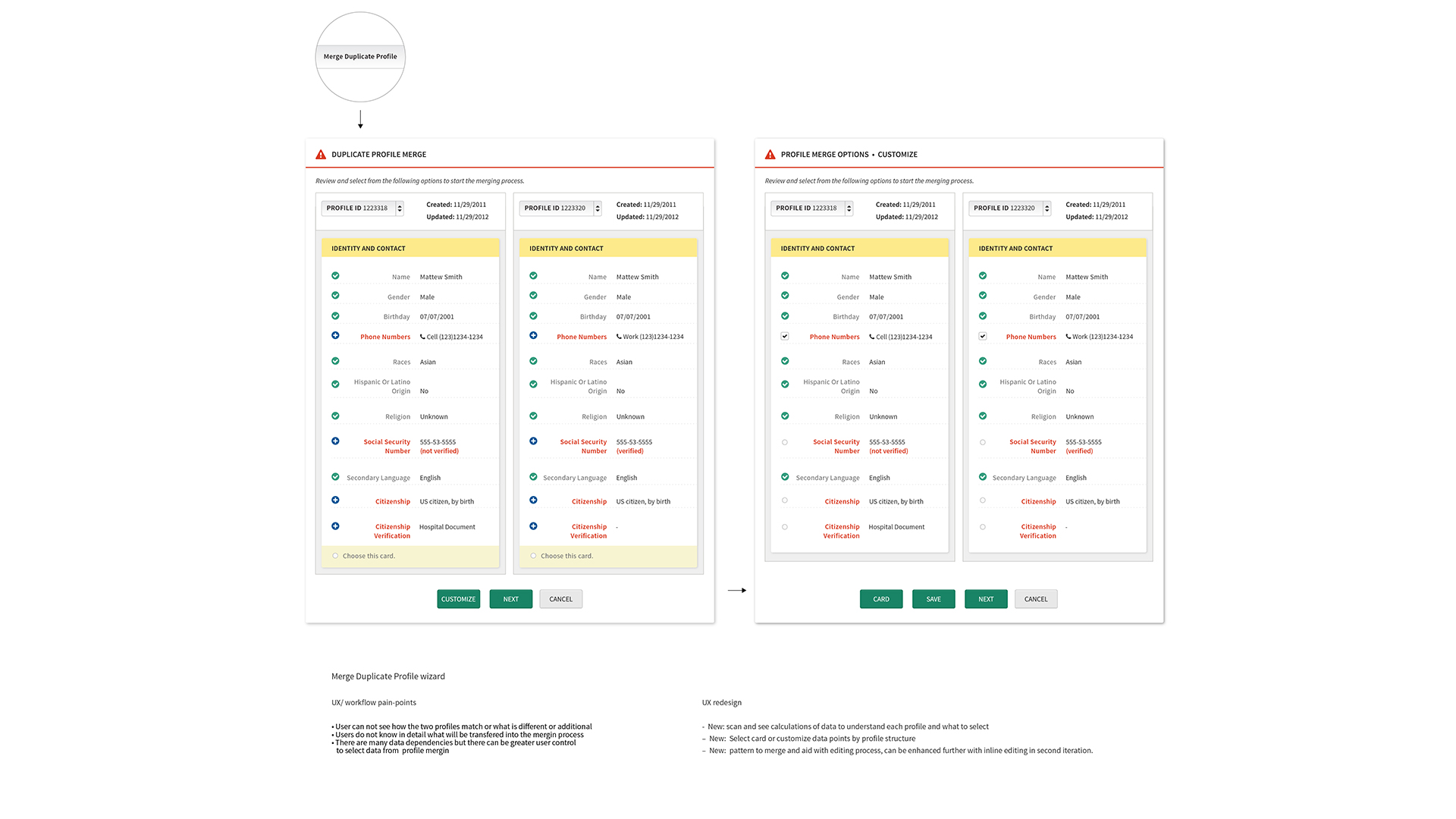
User research for CaseBook, to understand user needs and improve (add/simplify/replace) features and overall user flows.
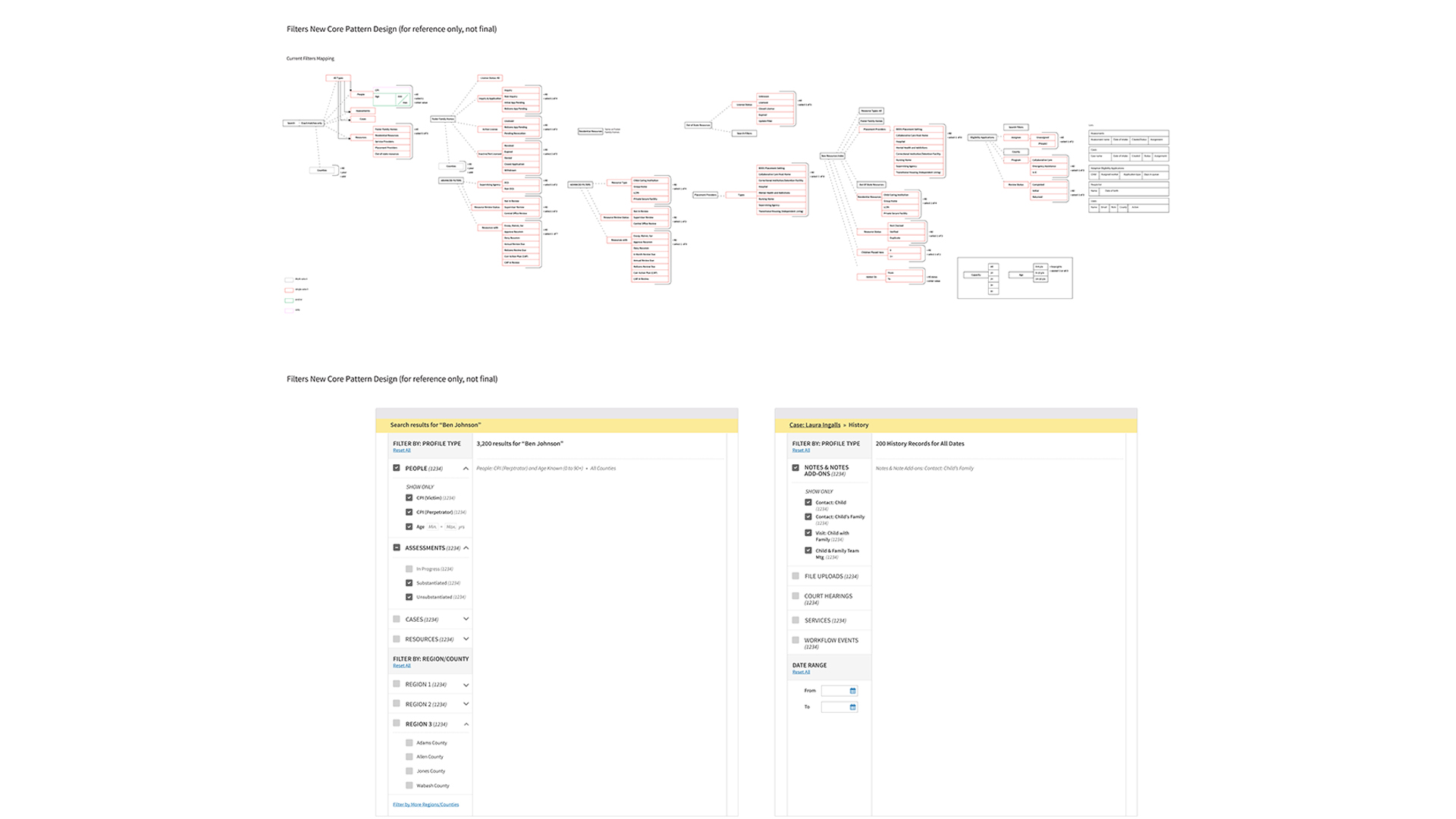
User research for CaseBook, to understand user needs and improve (add/simplify/replace) features and overall user flows.
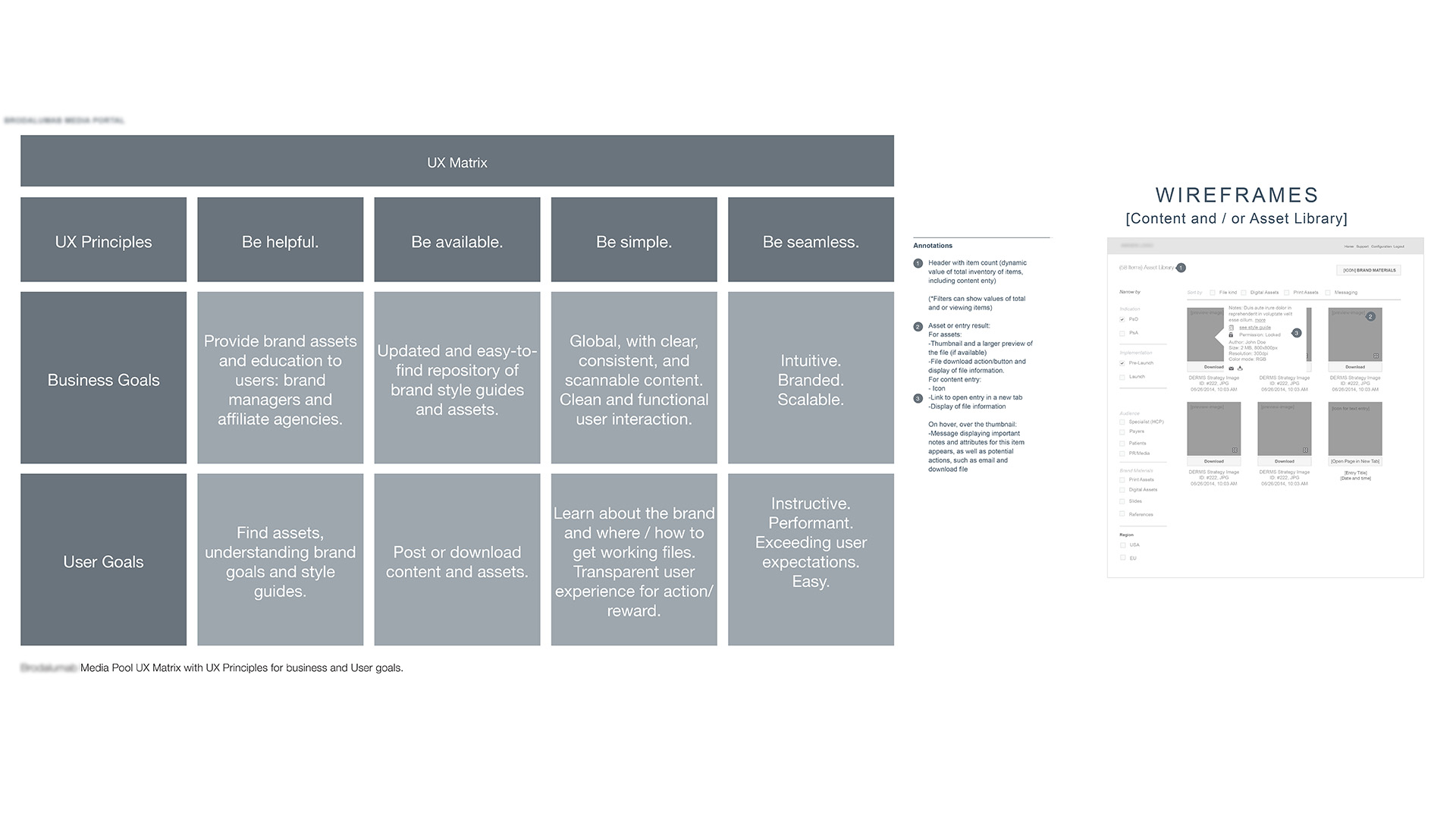
UX matrix to communicate UX principles, user needs, and business goals.
Research helped me identify distinct user segments and the broader ecosystem in which a product operates. Understanding these patterns influences product design and how teams organize their work. When teams clearly see the segments and needs they serve—and how those connect to the larger system—they move with greater clarity and agility. I learned this by using the research approach, jobs-to-be-done, and identified unmet needs for multiple user segments; precisely identified unique and cross-cutting jobs-to-be-done across 45 user paths that represented three user categories; and aligned teams of teams to solve them. The research provided clarity on what was working, what needed to change in the user-centric business strategy over the next 2 years, and where to invest. The overall function impact changed. By using Objective and Key Results (OKRs) informed by this research and to drive the user-centered strategy, teams, teams of teams, and individuals had greater focus and measurable ways to drive business outcomes directly connected to this research.
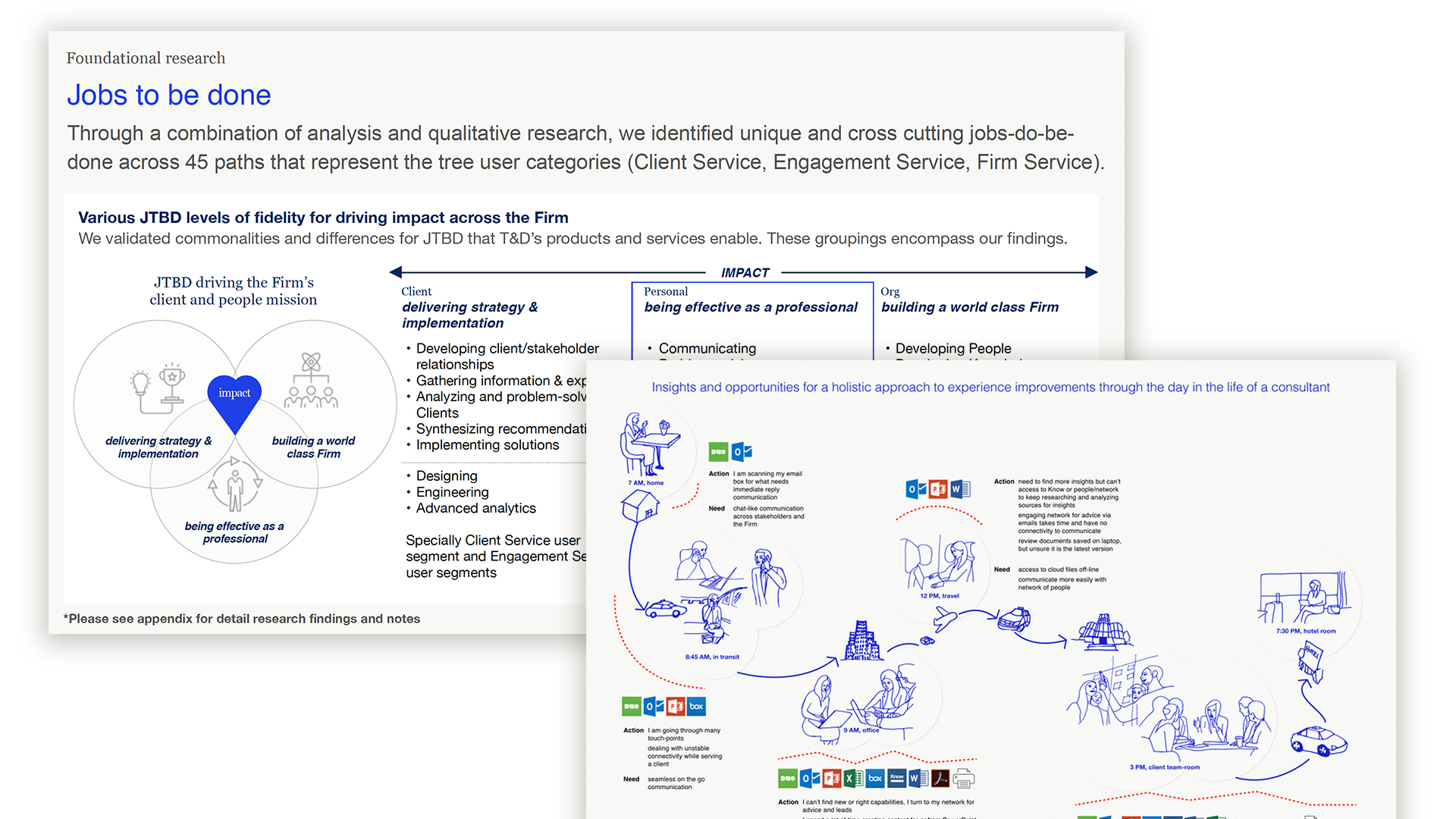
User jobs-to-be-done
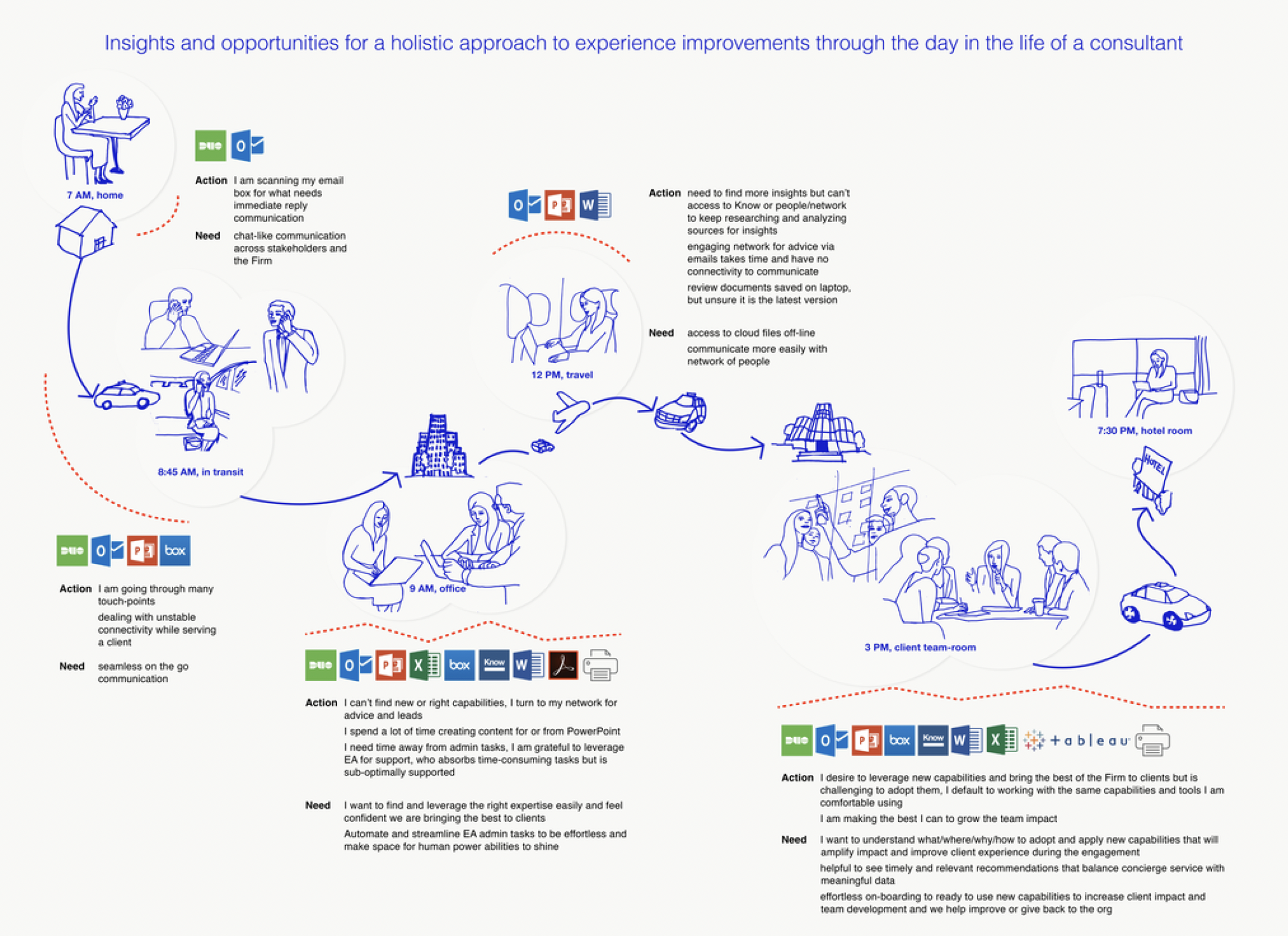
Simplified day in the life of the key user segment
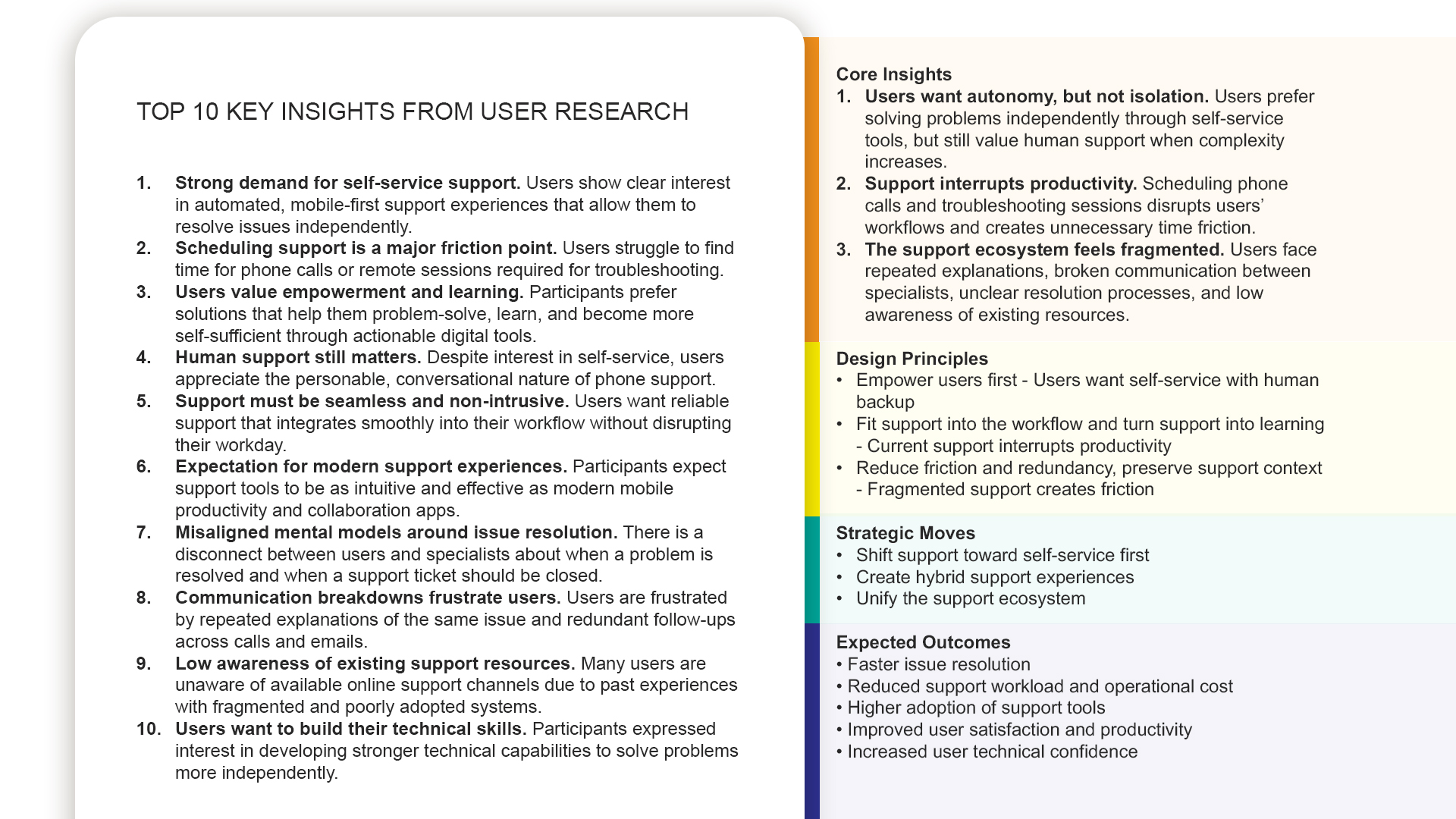
Distilled strategic alignment artifact to drive product design outcomes that directly affect the business.
Research is powerful for innovation; understanding users and gaining insights into what is not there yet to solve their needs. Once these insights feel like a possible idea, early artifacts and simple prototypes are essential. Paper or digital sketches, diagrams, and lightweight prototypes have been so useful to me for creating space for exploration, dialogue, and alignment. These sessions use artifacts to let teams test ideas before committing significant resources, often revealing key insights in the process. For new initiatives or businesses, I have seen that the essence of team design sessions lies in balancing individual brainstorming with team brainstorming and lateral thinking. I have noticed the benefits of well-balanced groupthink when meaningful inputs such as research insights, design inspiration, competitive research, and brand positioning are used for ideation and refinement. For participatory design sessions with users, the prompts and ideation help anchor ideas that can then be used in refined prototypes. Connecting the dots, shifting perspectives, experimenting and testing, and simplifying and removing elements in the design experience based on insights certainly helps deliver innovative solutions. Research with users is still key.
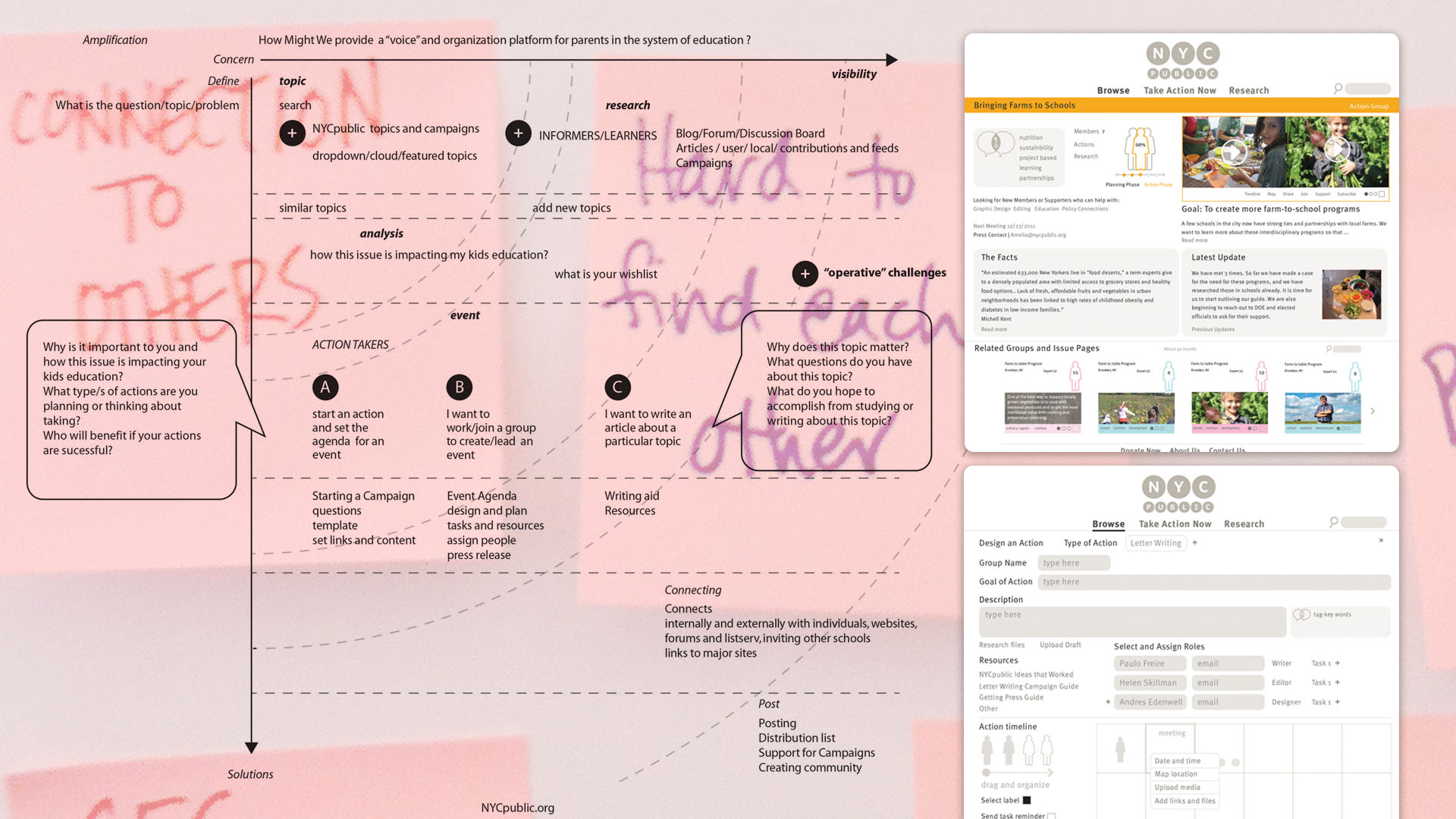
Collaborative and participatory design sessions, and initial discovery ideas and prototypes.
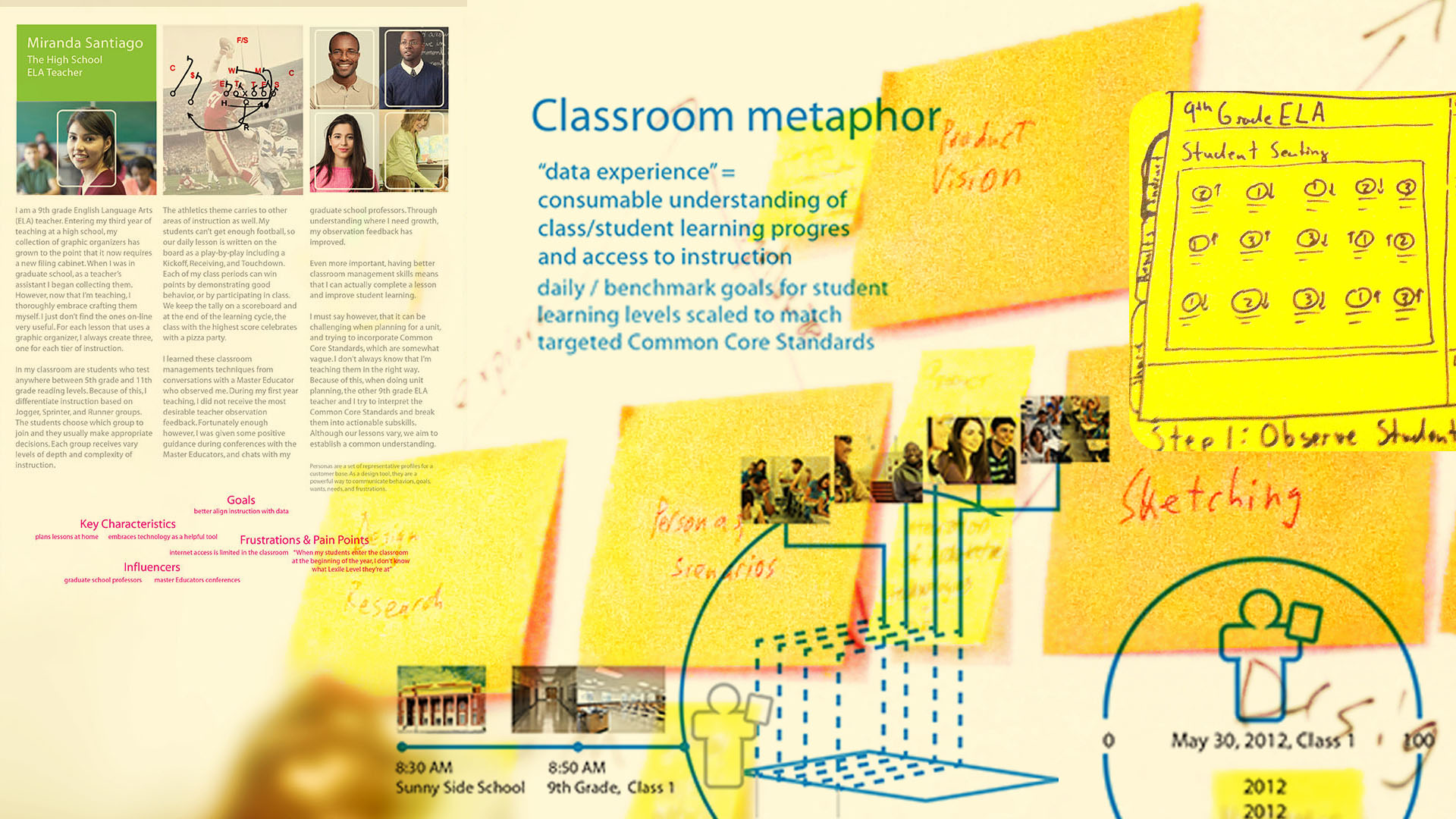
Collaborative and participatory design sessions, and initial discovery ideas and prototypes.
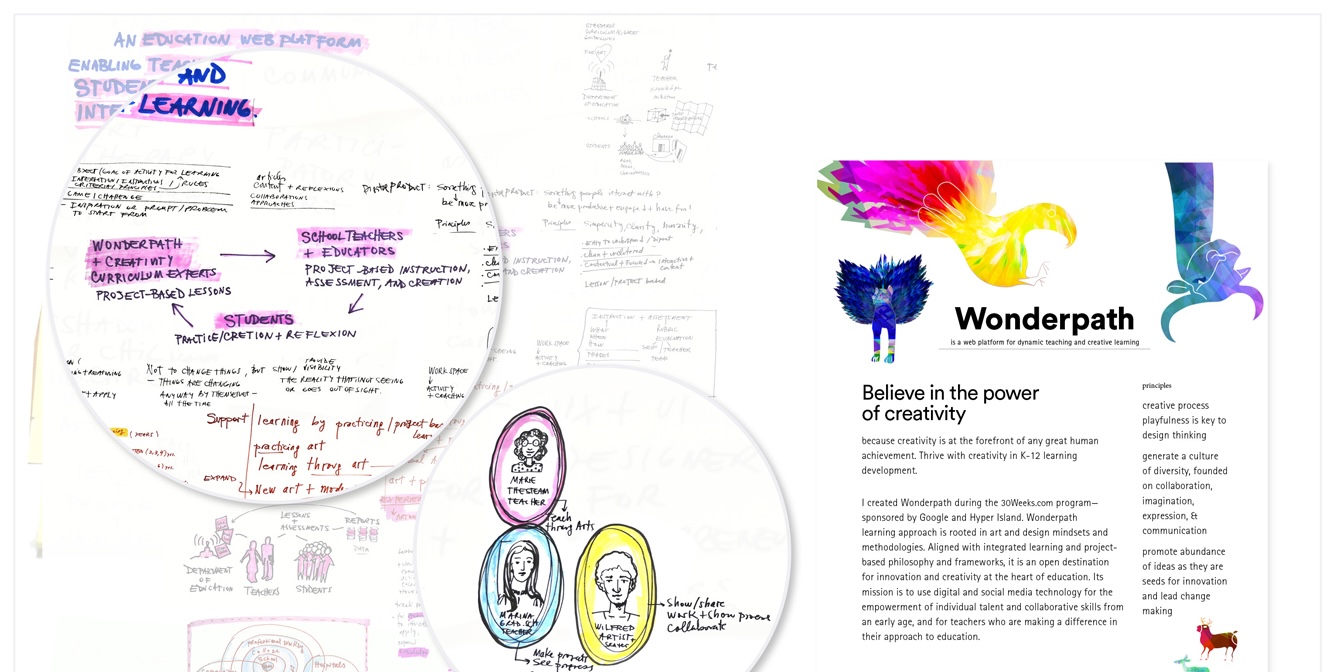
Collaborative and participatory design sessions, and initial discovery ideas and prototypes.
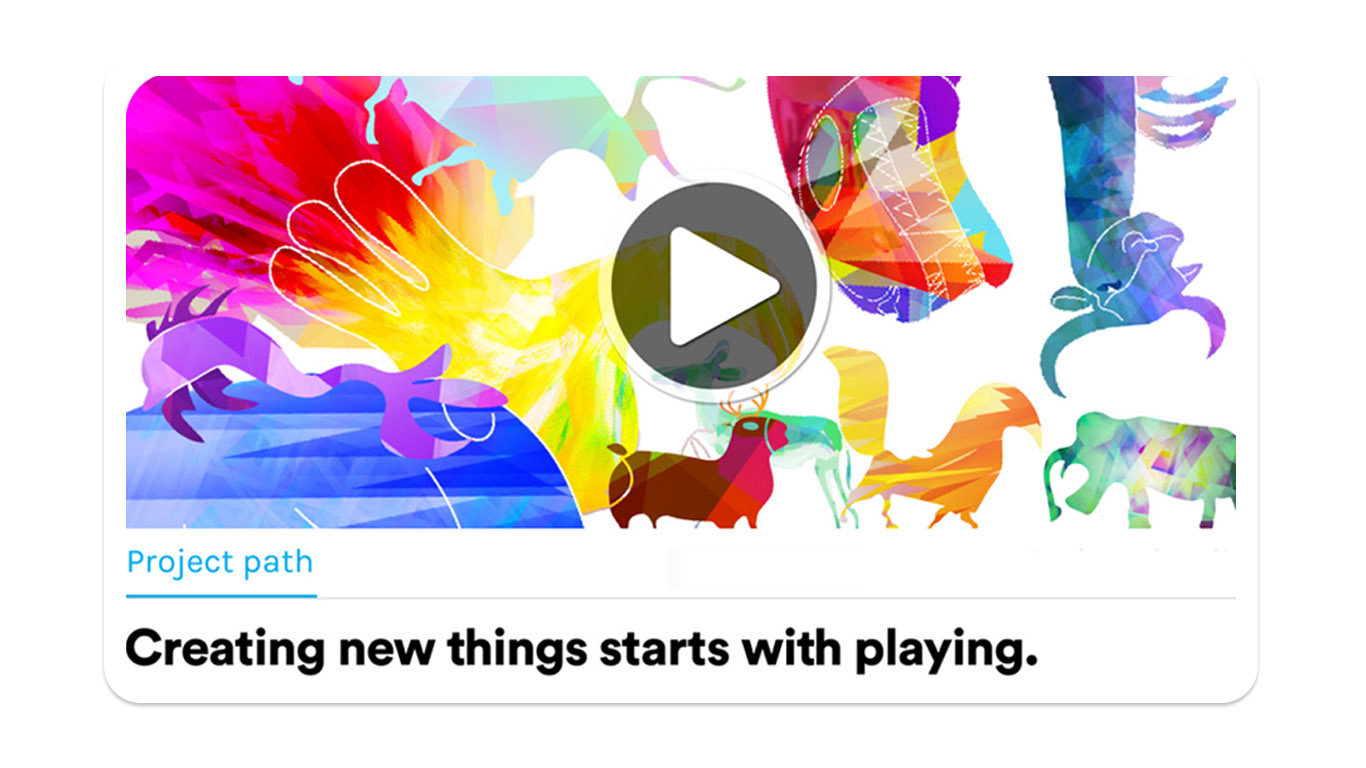
Collaborative and participatory design sessions, and initial discovery ideas and prototypes.
AI-assisted development has accelerated the testing of ideas. I combine traditional research methods with these tools to build early product experiences for testing with small user groups in low-risk beta environments. This lets me observe qualitative feedback and quantitative signals—adoption patterns and friction points in the user journey.
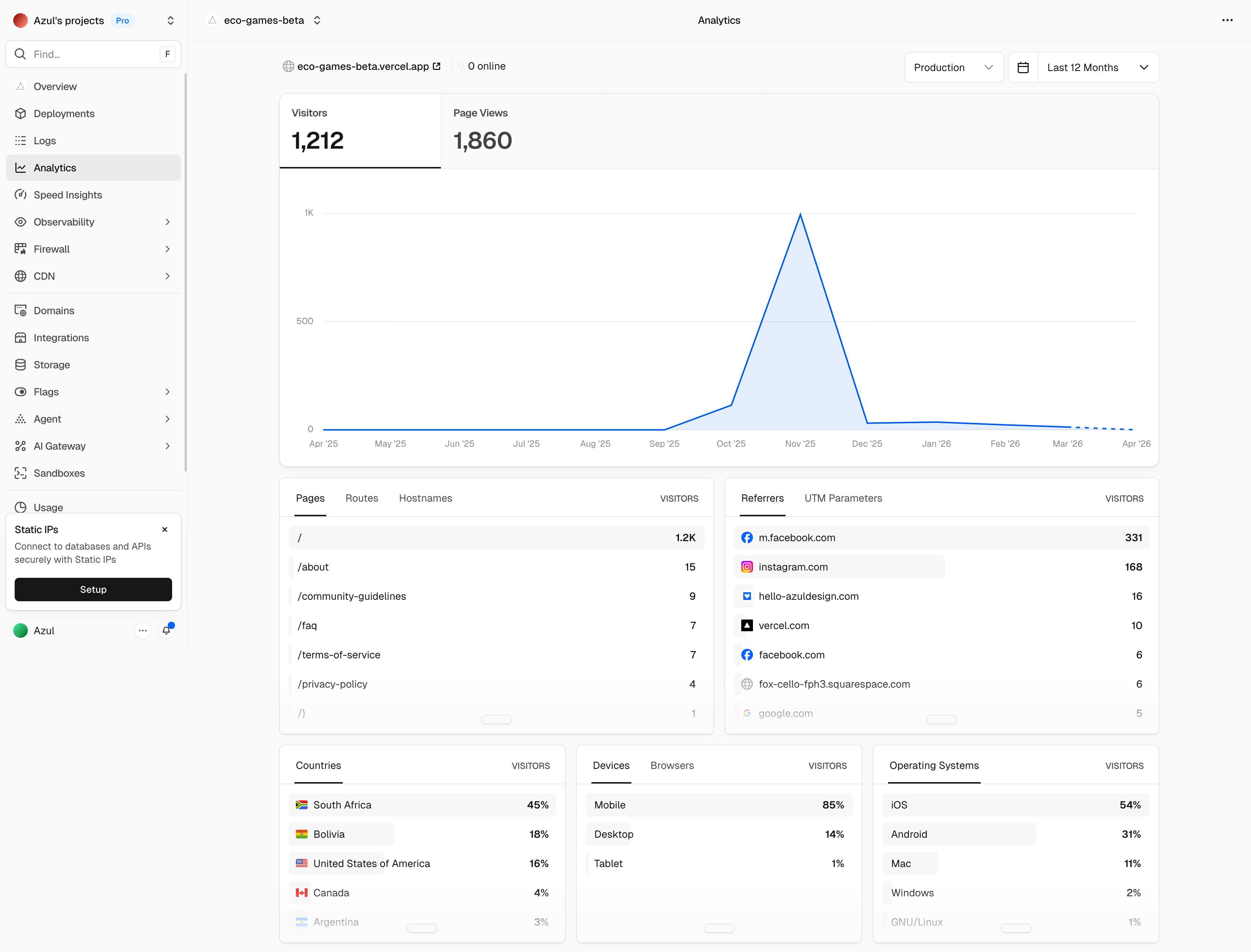
Lean test from live to instagram add to vercel analytics
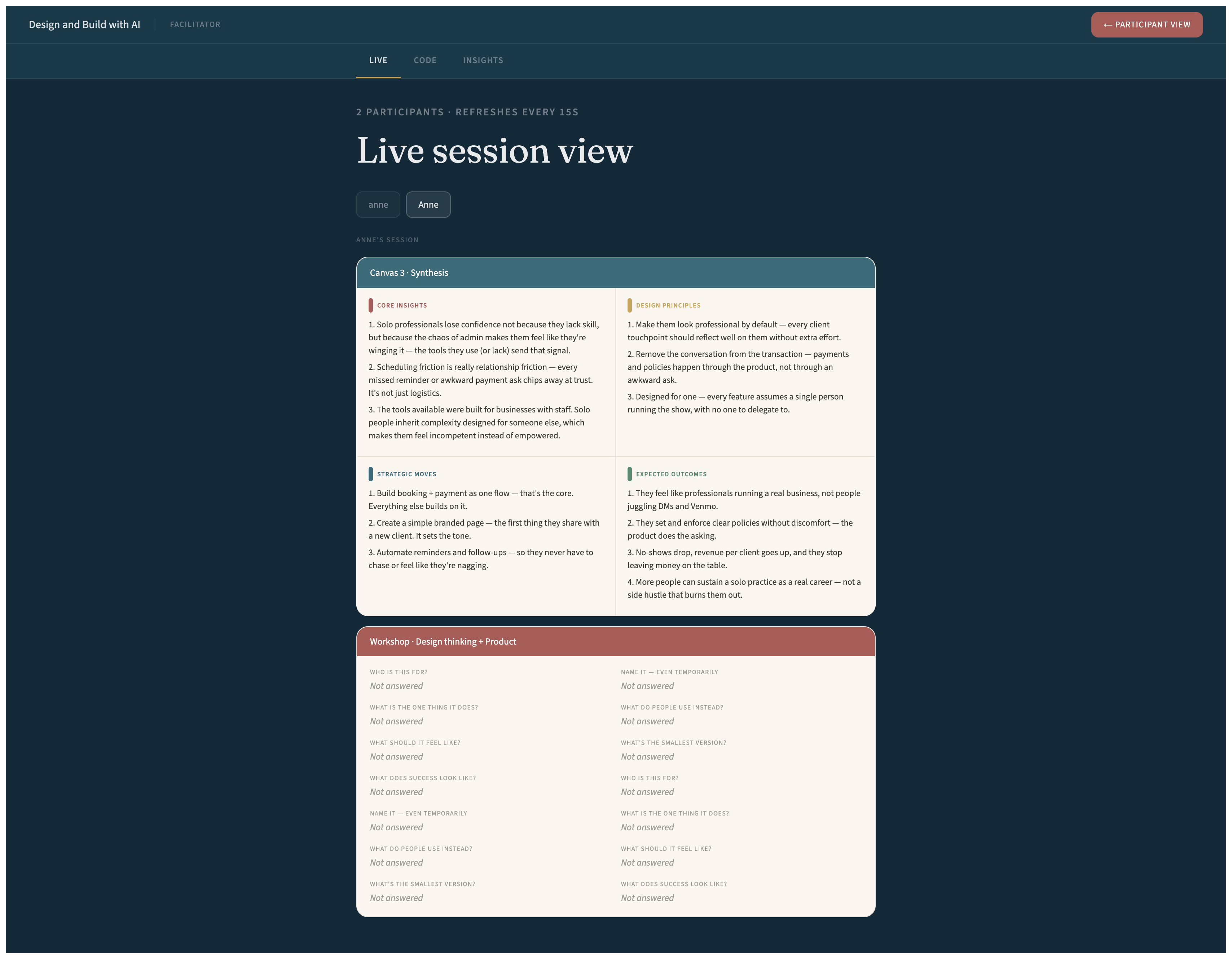
Application for workshop with a facilitator live insights and participant work view (prototype WIP)

Game concepts to explore ideas using AI generated visuals

Game concepts to explore ideas using AI generated visuals
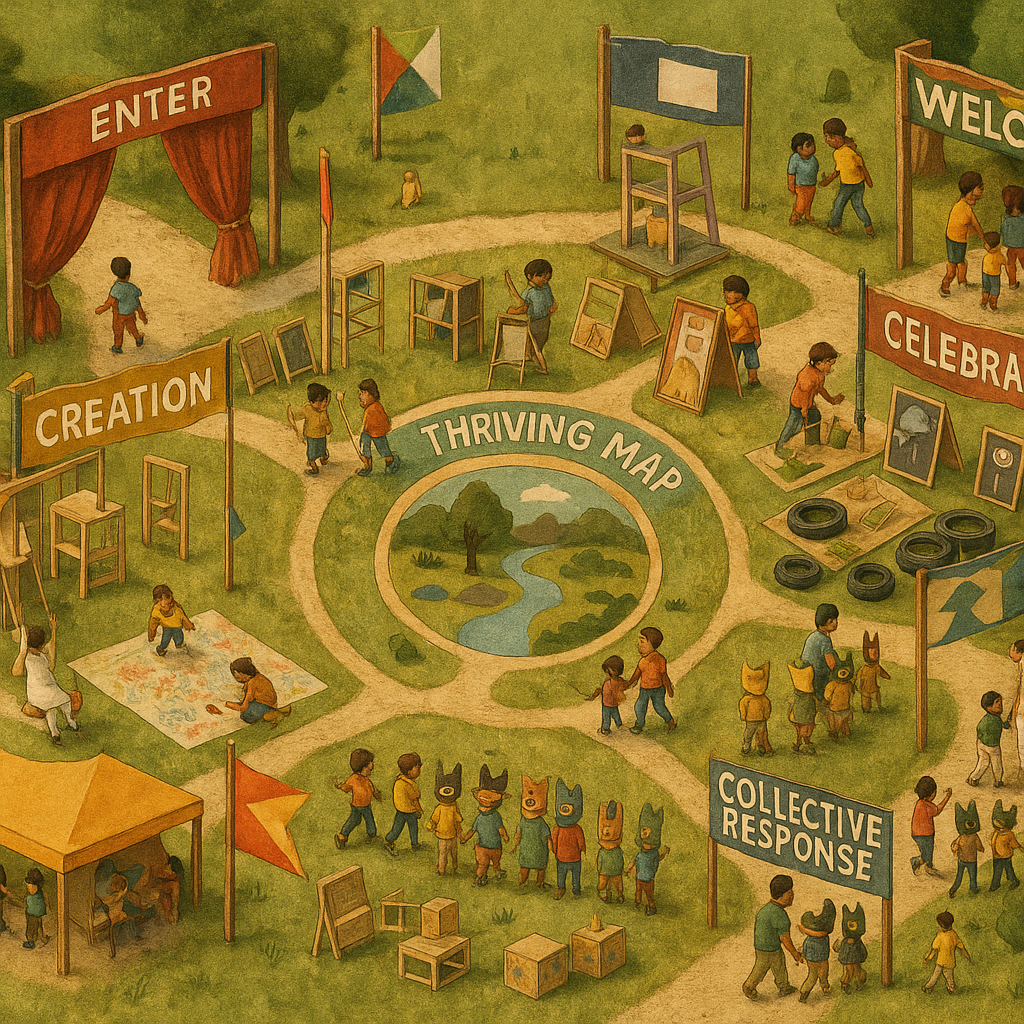
Game concepts to explore ideas using AI generated visuals
This approach shapes how I think about product architecture and experience design. I experiment with modular, adaptive systems that respond to different user needs while staying coherent through design systems and shared platform capabilities. I consider this process iterative, for refinement, must be tested, and simplified for evolving.
AI-conversational interfaces can help users explore complex information, learn faster, and get more value from a product. Designing these experiences requires balancing structured interfaces, conversational interaction, and user control. For the problem of hallucination in applied AI, it is important to build containment strategies and to manage with guardrails, human-in-the-loop systems, and narrow use cases, but the inconsistency is a valid risk and a model problem that remains unresolved.
I am and will continue working on doing this better:
- Grounding (RAG, retrieval systems)
- Constitutional training methods
- Output verification layers
- Narrower domain constraints
Research isn't a phase—it's an ongoing dialogue between people, ideas, and the systems we design. Continuous design, development, and research is much more feasible today than a few years ago. Advances in technology are changing how we think about the roles of designer, developer, and product manager, as people with solid skills across all three can deliver valuable products.
Despite technology changes and new tools, one principle remains constant: listening to users is the foundation of meaningful design.
- Research becomes most valuable when it creates shared understanding. Artifacts such as journey maps, insight syntheses, and prototypes help teams see the same problem space and align on what matters most to users.
- AI tools support the process by helping with secondary research, interview notes, and text analysis—making it easier to synthesize qualitative insights at scale. AI-assisted prototyping lets me move from insight to working concepts faster, test them with small user groups, and combine qualitative feedback with quantitative signals through fast, low-risk experimentation.
Even with advanced tools and analytics, for me, meaningful design begins with curiosity, empathy, and learning from people in their real contexts. This work is a balance between exploration and structure, intuition and evidence, conversation and experimentation, all in service of designing systems that work for the people who use them. Business outcomes that drive a user-centric vision and mission are based on these distinctive insights.
The artifacts shown here — insight syntheses, jobs-to-be-done frameworks, journey maps, ecosystem diagrams, and early prototypes — come from my own work across multiple projects. These tools help translate research findings into something teams can reason about together. They anchor conversations around user needs, clarify priorities, and make it easier to identify meaningful design opportunities.